Your chest tightens before a meeting, your mind keeps replaying last night’s argument, and by 3 p.m. you’re running on caffeine and willpower. Most people call that stress. Sometimes it is. Sometimes it is anxiety. And if you’ve been searching what is anxiety and stress management, the real question is usually more personal: why does my body feel stuck in overdrive, and what actually helps?
Anxiety and stress management is the practice of recognizing what is activating your nervous system, understanding whether the pressure is temporary or ongoing, and using effective tools to regulate your mind and body before overwhelm becomes your normal. It is not about pretending life is easy. It is about building a steadier response so work, parenting, sleep, relationships, and recovery habits stop getting hijacked by constant tension.
What is anxiety and stress management, really?
At a basic level, stress is your body’s response to a demand. That demand might be useful, like a deadline that keeps you focused, or difficult, like financial pressure, lack of sleep, grief, or conflict at home. Stress is not always the enemy. In small doses, it can sharpen attention and help you act.
Anxiety is different. Anxiety often lingers even when the immediate threat is unclear, small, or already over. It can feel like persistent worry, racing thoughts, restlessness, irritability, muscle tension, digestive discomfort, poor sleep, or that hard-to-explain sense that something is off. Stress usually has an identifiable trigger. Anxiety can start there, but it often keeps going after the trigger has passed.
That is why anxiety and stress management are related but not identical. Stress management tends to focus on reducing demands, improving recovery, and creating better daily rhythms. Anxiety management often adds another layer - calming a nervous system that has learned to stay alert even when you want to rest.
Stress vs. anxiety: why the difference matters
The distinction matters because the wrong approach can leave people frustrated. If you treat chronic anxiety like a simple scheduling problem, you may become more efficient without actually feeling calmer. If you treat normal short-term stress like a major emotional crisis, you may end up feeling fragile instead of capable.
Stress often improves when the pressure changes. You set boundaries, sleep more, drink less, move your body, and stop stacking impossible expectations on top of each other. Anxiety can improve with those same habits, but it may also require deeper work around thought patterns, nervous system regulation, and the coping behaviors you use to get through the day.
A lot of adults don’t notice the difference because they have adapted to living in a state of low-grade activation. They push through. They rely on alcohol at night, nicotine during the day, or too much caffeine to stay functional. They call it busy. Their body calls it strain.
How stress shows up in the body
Stress is not only mental. It is physical, chemical, and behavioral.
When your brain perceives pressure, your body shifts resources toward survival. Heart rate changes. Muscles tighten. Cortisol rises. Sleep quality can drop. Digestion may slow down or become unpredictable. You may feel wired, tired, hungry all the time, or not hungry at all.
In the short term, that response can be protective. The problem is repetition. When your system gets very little time to reset, stress stops being a signal and starts becoming your baseline. That is when people often notice headaches, jaw clenching, irritability, shallow breathing, nighttime wakeups, dependence on stimulants, and trouble feeling present even during calm moments.
This is one reason stress management should not be treated like a luxury add-on. It is a foundational part of health behavior. When stress is unmanaged, almost every wellness goal gets harder.
What anxiety feels like beyond worry
Many people think anxiety is just overthinking. Sometimes it is, but that definition is too narrow.
Anxiety can look like perfectionism, procrastination, people-pleasing, irritability, digestive issues, panic sensations, difficulty relaxing, social avoidance, or needing constant reassurance. For some, it shows up as a mind that never stops scanning for what could go wrong. For others, it looks more like exhaustion because being on edge all day drains energy.
It can also blur into coping loops. You feel anxious, so you reach for something that promises fast relief. Maybe that is wine, vaping, doomscrolling, sugar, or another late coffee. It works briefly, then your sleep gets worse, your nervous system gets less resilient, and tomorrow starts from a more depleted place. That cycle is common, and it is exactly why sustainable relief usually depends on replacement, not just restriction.
What effective anxiety and stress management includes
Good anxiety and stress management is not one hack. It is a system of support that helps your body feel safe enough to regulate.
First, it includes awareness. You need to know your patterns. What triggers you? What time of day do symptoms spike? What habits make things worse? What actually helps after the effect wears off? Without that honesty, people keep treating symptoms while feeding the cause.
Second, it includes nervous system care. That means basics that sound simple but are biologically powerful: consistent sleep, stable blood sugar, less overstimulation, regular movement, hydration, sunlight, and breathing patterns that tell the body it can downshift. None of this is flashy. All of it matters.
Third, it includes behavior change. If your current relief strategy is alcohol to come down, nicotine to cope, or caffeine to outrun fatigue, anxiety and stress management may require a replacement plan. You do not always need to remove everything at once, but you do need better options.
Fourth, it includes tools that match the moment. Acute stress may call for a walk, a short breathing reset, or a clear boundary. Ongoing anxiety may respond better to a more layered routine with calming botanicals, magnesium, therapy, journaling, or a nightly wind-down ritual. It depends on whether the issue is a temporary spike or a chronic pattern.
Natural support can help, but it works best in context
For people looking to move away from habit-forming coping tools or harsh quick fixes, plant-based support can have a meaningful place in an anxiety and stress management plan. The key is using it as part of a broader routine, not as permission to ignore the drivers underneath.
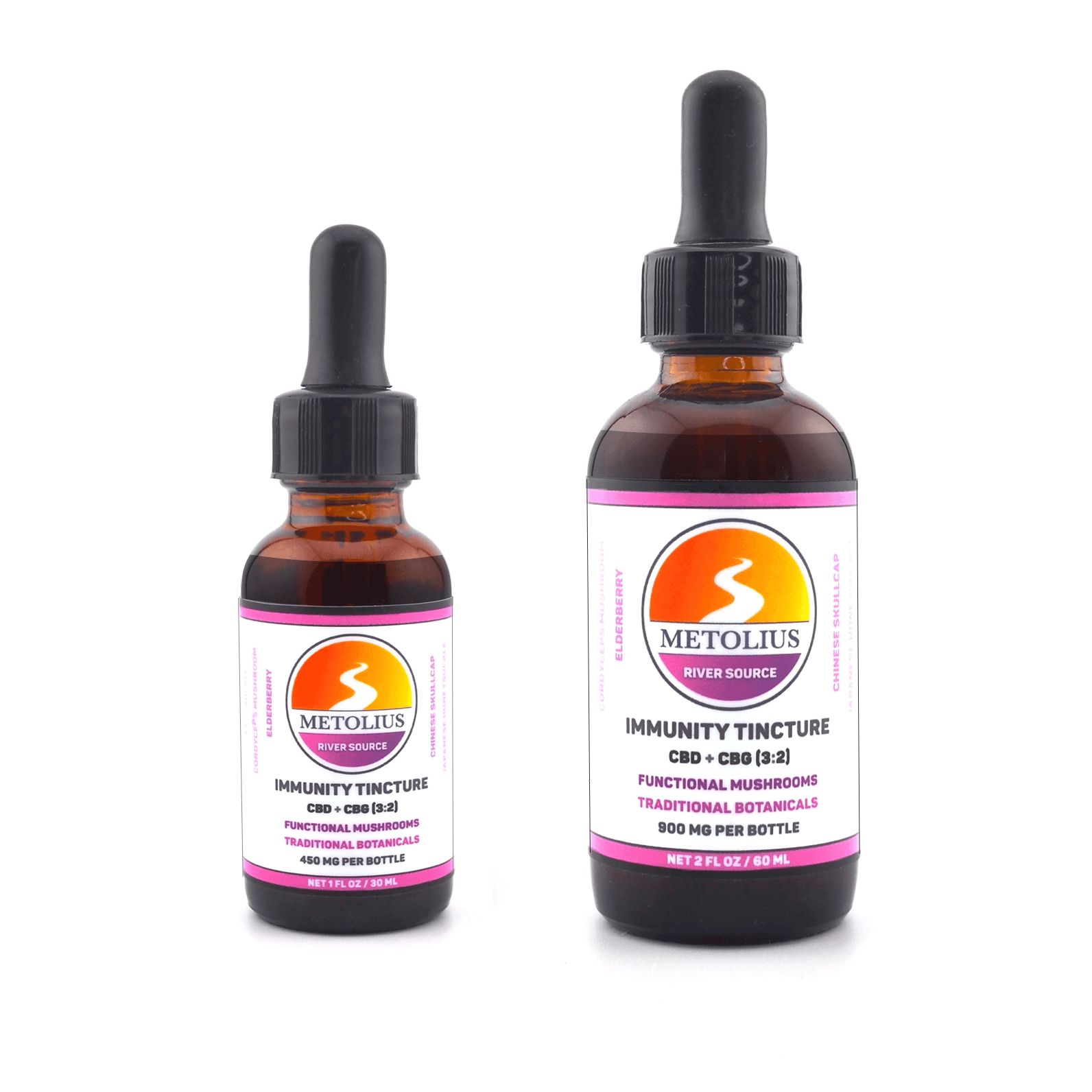
Cannabinoid wellness is one example. Many adults explore CBD, CBG, or CBN because they want support that fits into daily life without making them feel disconnected from it. Depending on the formula, timing, and the individual response, these ingredients may support calm, relaxation, sleep quality, or a smoother transition out of stress-heavy habits. Some people do well with daytime support that takes the edge off without feeling sedating. Others need nighttime support that helps them stop carrying the day into bed.
The trade-off is that natural support is not one-size-fits-all. Body chemistry differs. Dosage matters. Product quality matters. The rest of your routine matters too. If you are sleeping five hours, living on coffee, and white-knuckling your evenings, even a premium wellness product should be viewed as support, not a full solution.
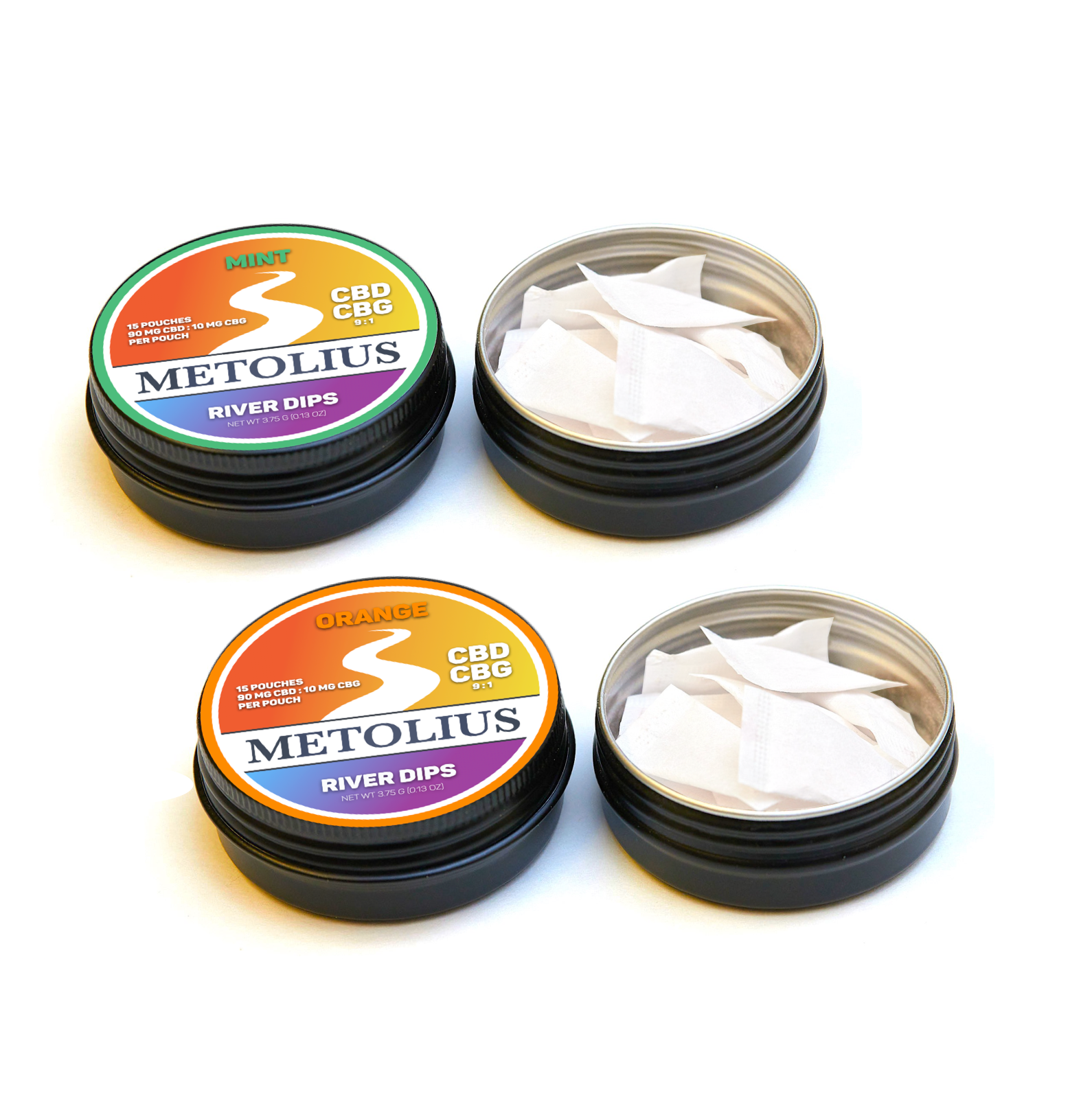
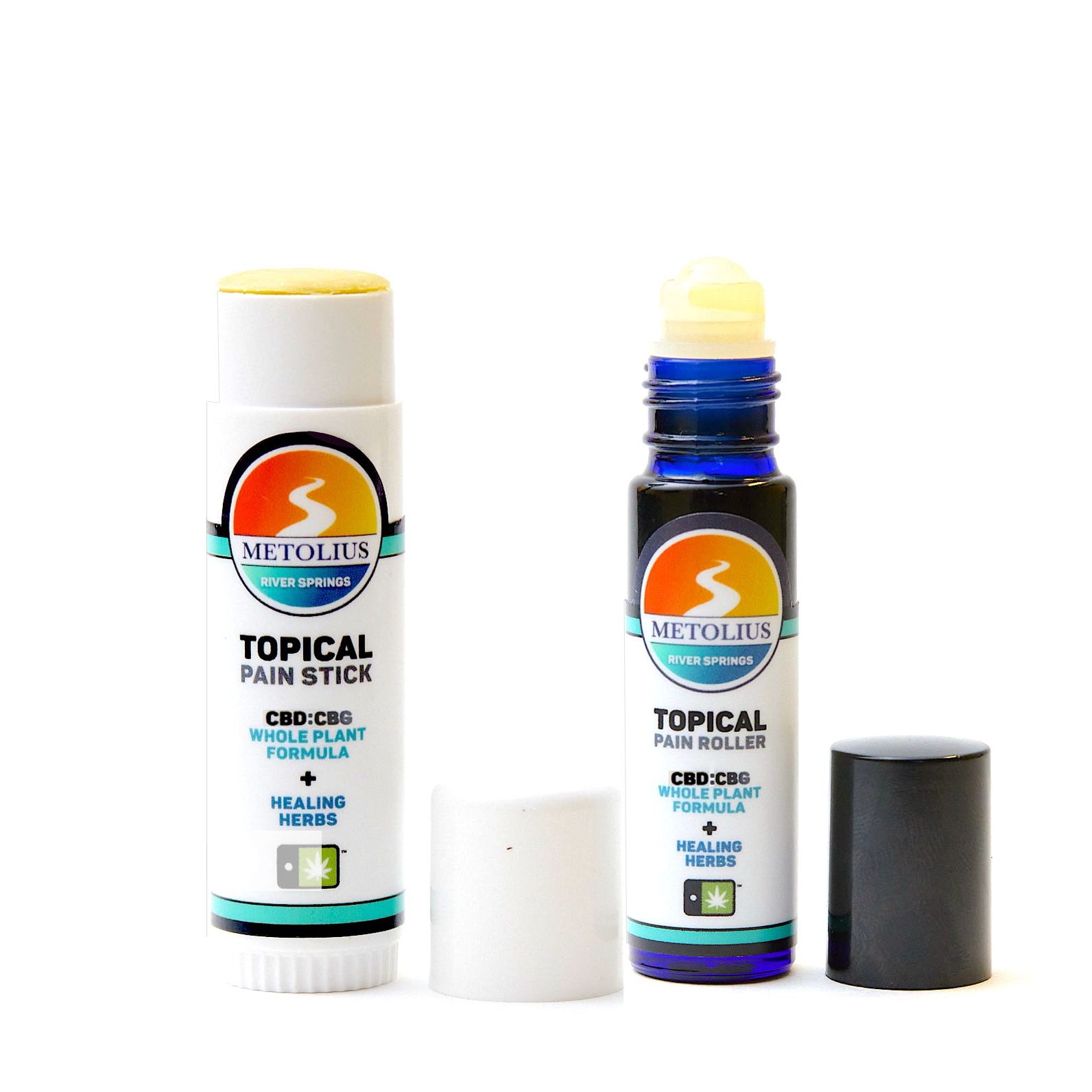
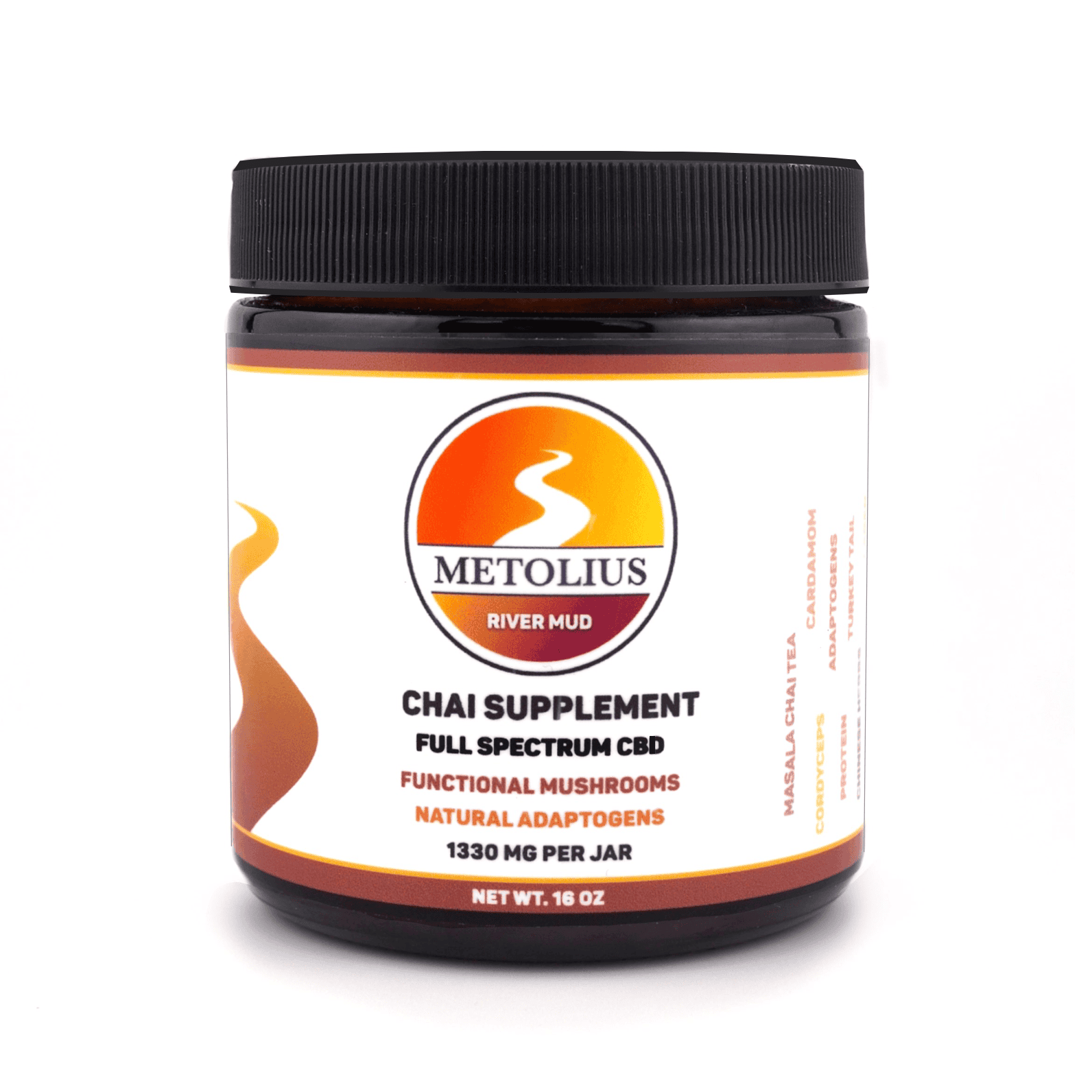
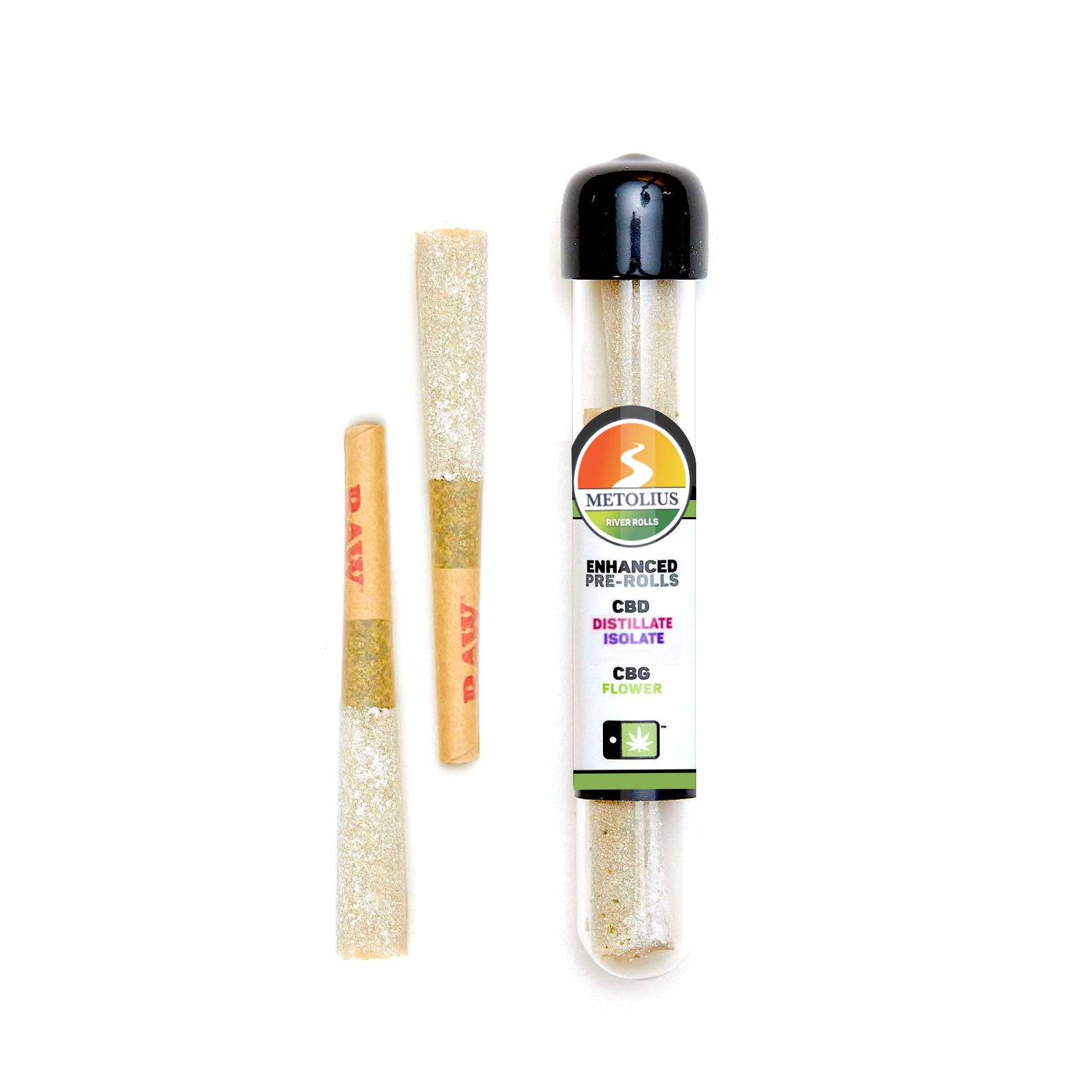
That is where a behavior-change mindset becomes powerful. Brands like Metolius Wellness speak to this well because the goal is not simply taking something for stress. The goal is replacing patterns that keep people stuck, with cleaner, non-habit-forming tools that support a better baseline.
How to know when your approach needs to change
If your stress relief only works in the moment but leaves you foggy, dependent, or more dysregulated later, it is probably not true management. If your anxiety keeps returning despite constant productivity, your system may need restoration more than discipline.
Watch for these signs: you cannot relax without a substance, your sleep is regularly disrupted, your body feels tense even on easy days, or your mood changes fast under minor pressure. Those are clues that your coping style may be keeping your nervous system reactive.
A better plan often starts with one honest shift. Maybe that is reducing evening alcohol and creating a real wind-down routine. Maybe it is replacing the third coffee with hydration, protein, and a calmer energy strategy. Maybe it is talking to a therapist while also supporting sleep and recovery. The best next step is usually the one that lowers your total stress load, not the one that looks most impressive on paper.
When professional help is the right move
Natural wellness can be valuable, but there are times when extra support is necessary. If anxiety is interfering with work, relationships, sleep, eating, or your ability to function, professional care matters. The same is true if you are dealing with panic attacks, depression, trauma symptoms, or reliance on substances to get through the day.
There is strength in building a layered plan. That may include therapy, medical guidance, lifestyle changes, and natural tools that help you feel more regulated. Relief does not have to be all-or-nothing.
The most useful way to think about anxiety and stress management is this: it is not about becoming unaffected by life. It is about becoming less controlled by the habits, triggers, and nervous system patterns that keep pulling you away from how you want to live. Start there, and even small changes can begin to feel like a real exit.