You snap at a text, forget why you walked into the kitchen, and lie awake replaying a conversation that should have ended hours ago. That is usually the moment people start asking, how does stress affect anxiety? Not in theory, but in real life - in the body, in sleep, in mood, and in the habits people reach for when they need fast relief.
Stress and anxiety are not the same thing, but they overlap so often that they can feel inseparable. Stress is typically a response to pressure. Anxiety is more about anticipation, unease, and a sense that something could go wrong, even when the immediate trigger is not obvious. Stress can raise anxiety in the short term, but it can also train the nervous system into a more reactive state over time.
How does stress affect anxiety in the body?
The fastest answer is that stress tells your body to stay alert. When pressure hits, your brain signals the release of stress hormones like cortisol and adrenaline. Heart rate increases. Muscles tighten. Breathing can get shallow. Digestion slows down. That response is useful when you need to react quickly, but it becomes a problem when your system never fully powers down.
For someone already prone to anxiety, chronic stress adds fuel to the fire. The body starts treating ordinary situations like potential threats. A packed calendar, poor sleep, too much caffeine, financial pressure, parenting overload, or conflict at work can all keep the stress response switched on. Once that happens, anxiety tends to show up faster and hit harder.
This is one reason anxious symptoms can feel physical before they feel mental. A racing heart, sweating, chest tightness, nausea, jaw clenching, restlessness, and shaky energy can all begin as stress responses. Then the mind interprets those sensations as danger, which creates even more anxiety. It becomes a loop.
Why stress can make anxiety feel harder to control
Stress narrows your bandwidth. When your nervous system is overloaded, you have less capacity for patience, perspective, and recovery. Small disruptions feel bigger. Decisions feel heavier. Your tolerance drops.
That matters because anxiety often feeds on uncertainty and overstimulation. If stress has already pushed your body into high alert, your mind is more likely to scan for problems. You may notice yourself catastrophizing, overthinking, or assuming the worst. That does not mean you are weak or overreacting. It means your system is trying to protect you, just with more intensity than the situation requires.
Sleep is a major factor here. Stress commonly disrupts sleep quality, and poor sleep lowers resilience the next day. That can make anxiety more frequent, more emotional, and more difficult to regulate. Many people think they have a mindset problem when they actually have a nervous system recovery problem.
The stress-anxiety cycle most people miss
A lot of people focus only on the stressful event. The tighter cycle is what happens next.
Stress increases physical arousal. That arousal feels uncomfortable, so the mind starts monitoring it. Monitoring creates worry. Worry raises tension. Tension makes the body feel even less safe. Then behaviors step in to take the edge off.
Sometimes those behaviors help. A walk, a breathing practice, a consistent bedtime routine, less screen exposure at night, or a calming supplement ritual can create real relief. Sometimes the behaviors only numb the moment. Extra drinks at night, another energy drink in the afternoon, nicotine to calm down, or constant scrolling can briefly soften the discomfort while quietly keeping the cycle alive.
That is where stress stops being just a tough week and starts shaping anxiety patterns. The body learns what to expect. If the routine is pressure followed by overstimulation followed by poor recovery, anxiety becomes easier to trigger.
It depends on the kind of stress you are carrying
Not all stress affects anxiety the same way. Acute stress, like a deadline or a family emergency, can spike anxiety quickly but may resolve once the event passes. Chronic stress is different. Ongoing relationship strain, money pressure, caregiving, burnout, inflammation, pain, hormone shifts, or long-term sleep disruption can keep anxiety simmering in the background.
There is also a difference between external stress and internal stress. External stress comes from life demands. Internal stress comes from what is happening inside the body, such as blood sugar swings, overstimulation from caffeine, chronic discomfort, poor recovery, or feeling physically run down. People often blame themselves for being anxious when their body is sending distress signals all day.
That is why sustainable anxiety support usually has to go beyond mindset alone. If your body is under constant stress, your mind will feel it.
How does stress affect anxiety habits and coping choices?
Stress does not just change how you feel. It changes what you reach for.
When people are maxed out, they usually want relief that works fast. That is understandable. The trade-off is that fast relief can become a pattern that keeps the nervous system dependent on outside stimulation or sedation. Alcohol to come down. Caffeine to push through. Nicotine to take the edge off. Sleep aids that do not actually improve recovery. These habits can make anxiety more unpredictable over time, especially when they disrupt sleep, blood sugar, and baseline nervous system balance.
A more effective approach is not perfection. It is replacement. When you swap in calming, non-habit-forming routines that support recovery instead of draining it, anxiety often becomes more manageable because stress has less room to build. That could mean magnesium in the evening, breathwork before bed, reducing late-day caffeine, using botanicals with a clear purpose, or creating a wind-down ritual your body can trust.
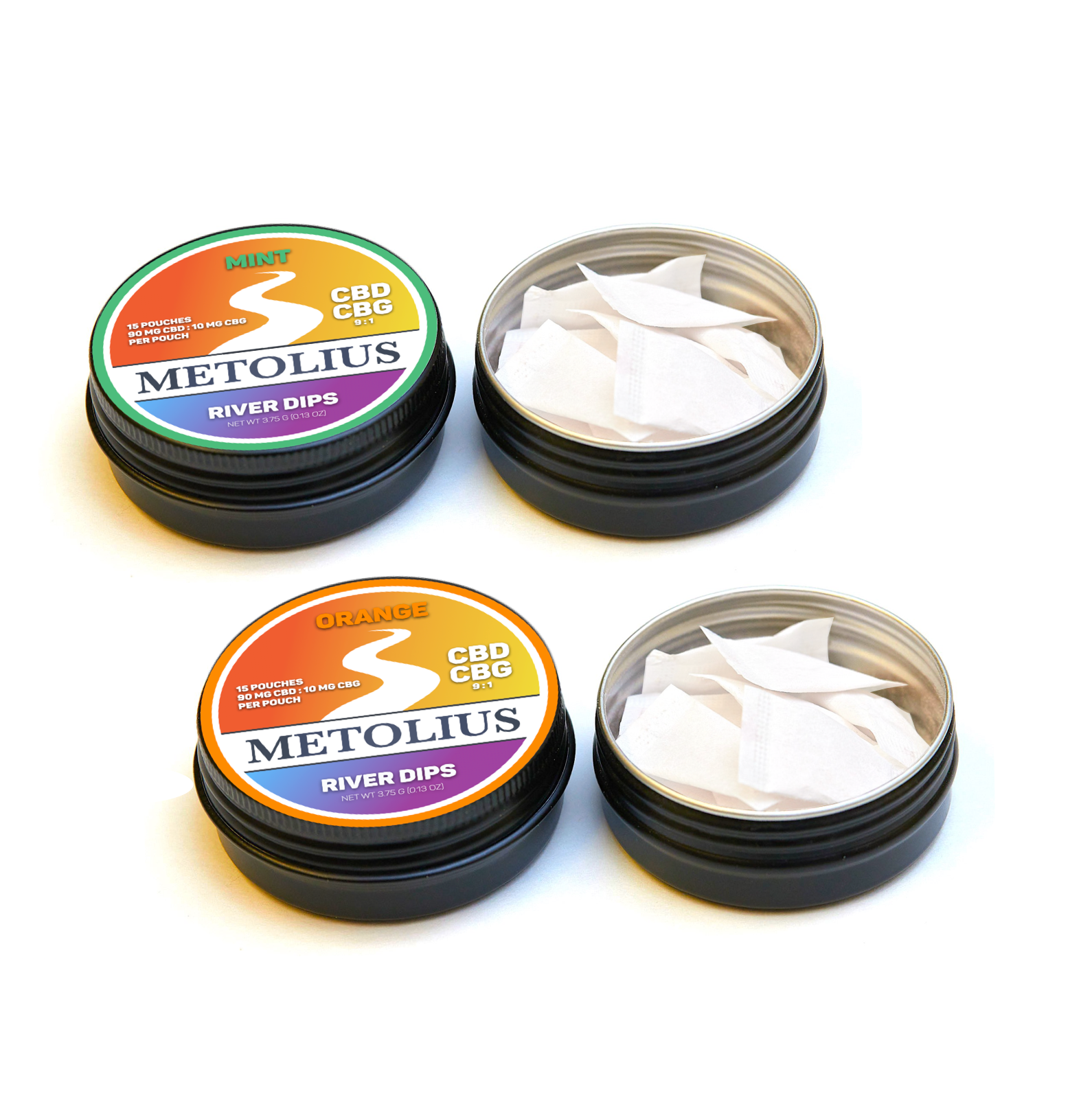
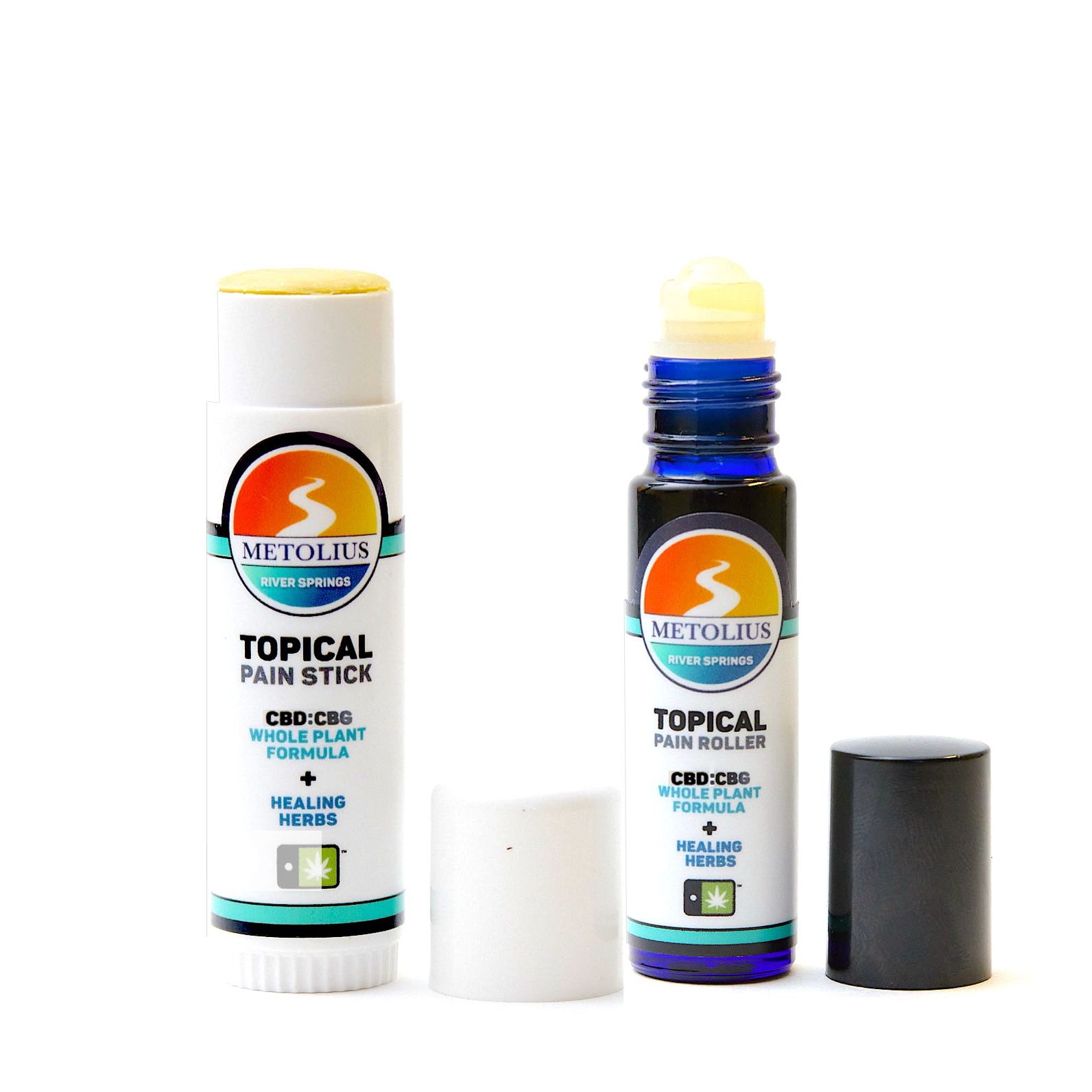
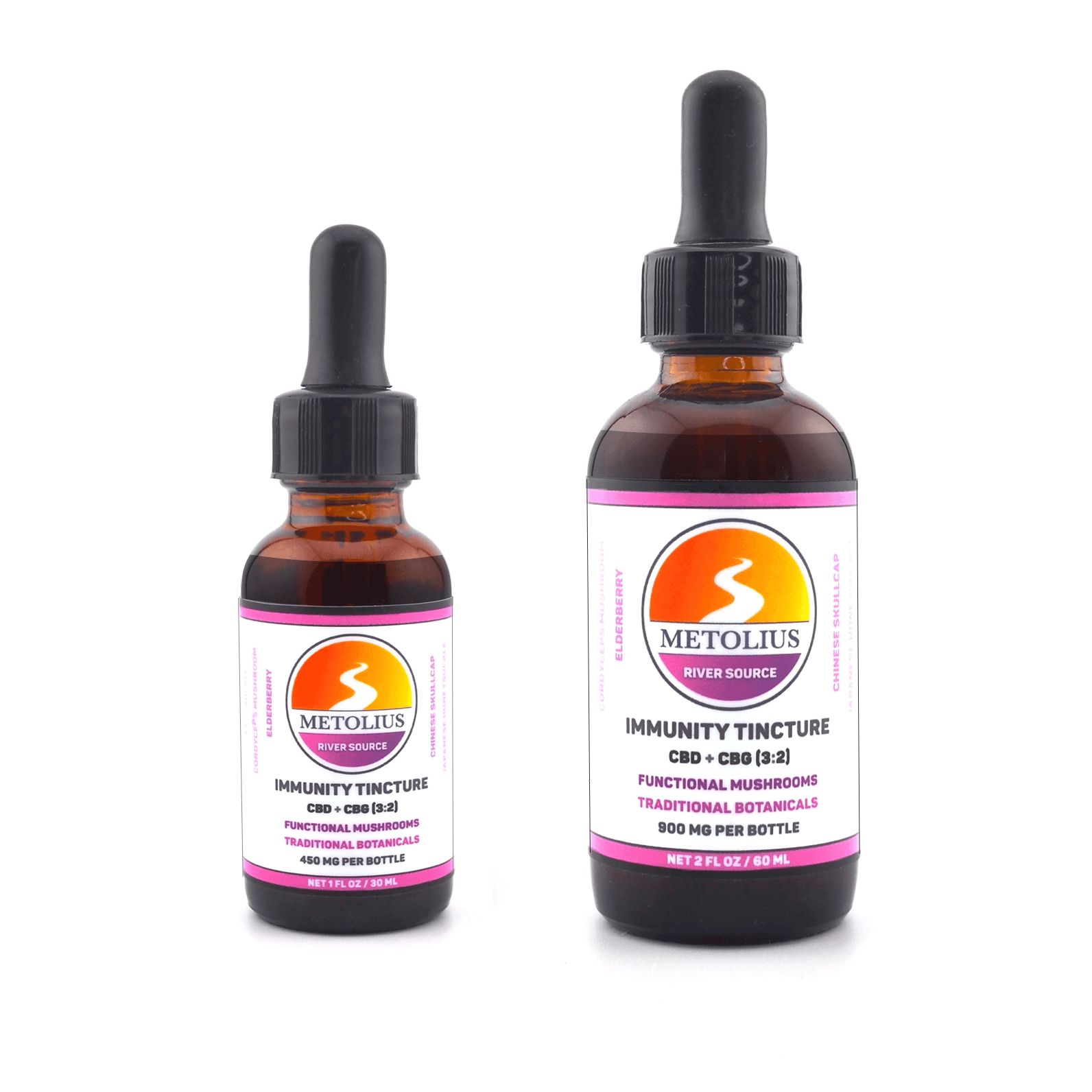
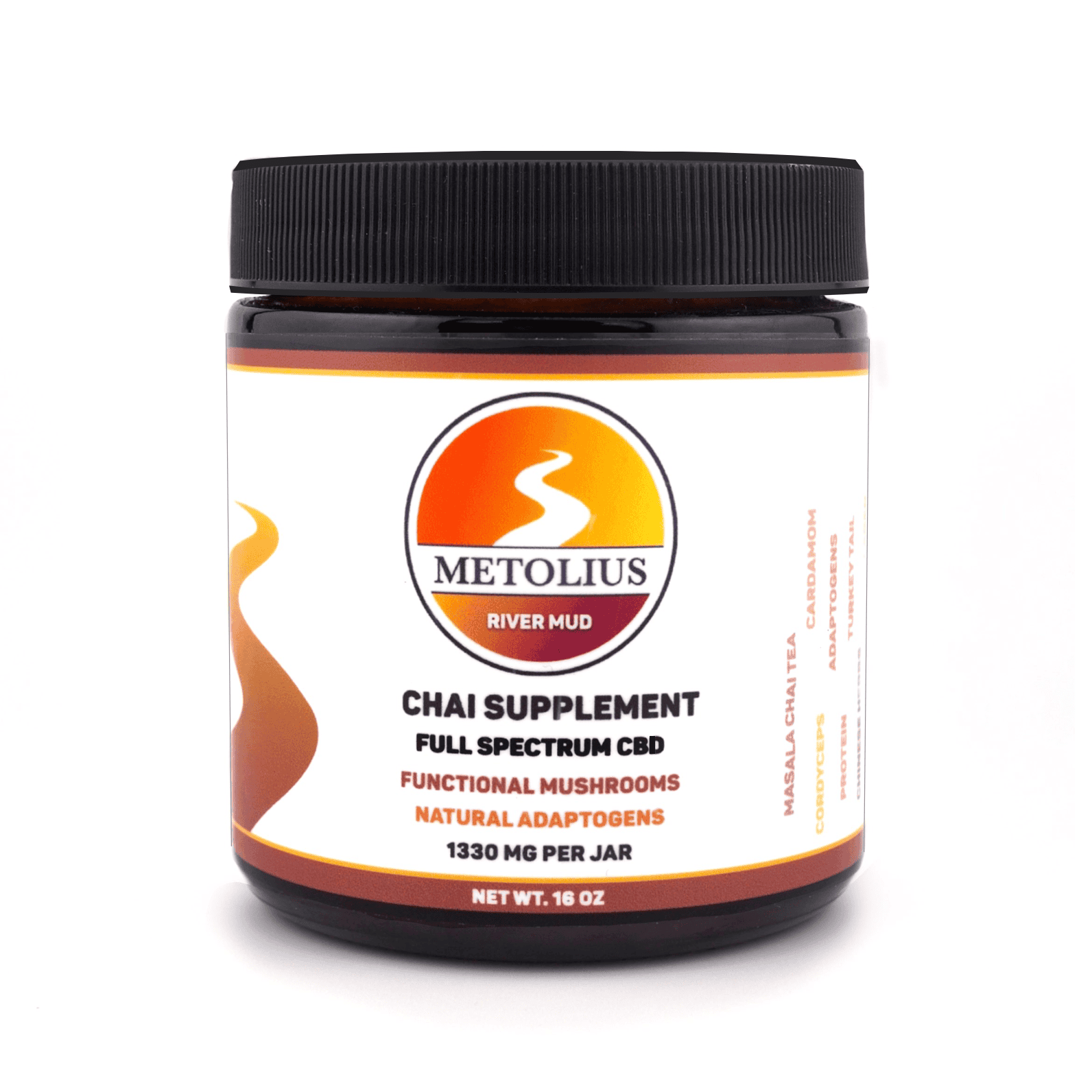
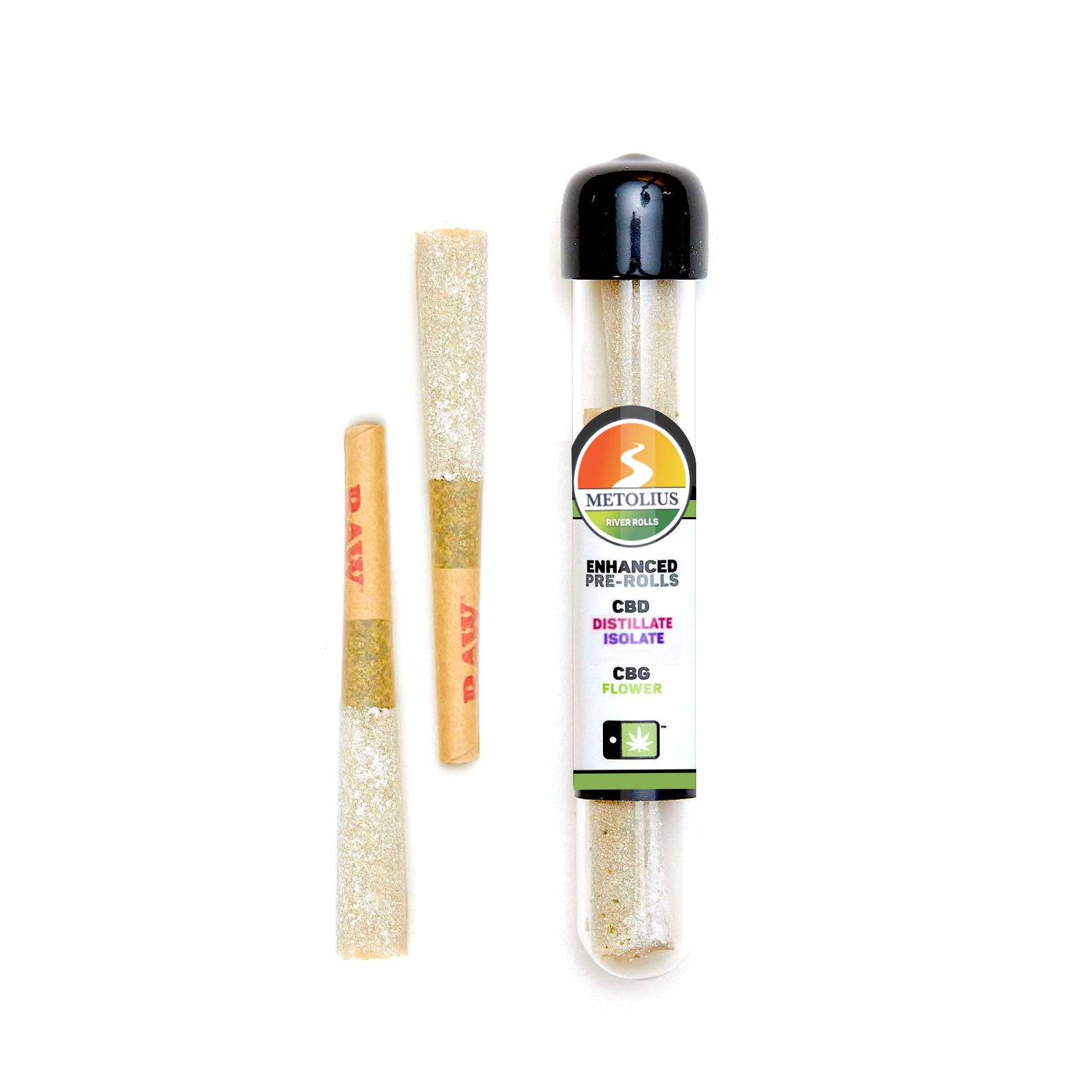
This is where a brand like Metolius Wellness fits naturally into the conversation. For people trying to exit unhealthy coping loops, plant-based support can be part of a broader behavior change strategy - not a magic fix, but a more intentional option than leaning on habits that intensify stress in the long run.
Signs stress is amplifying your anxiety
Sometimes anxiety feels random when it is actually pattern-driven. If your anxiety gets worse during high-pressure weeks, after poor sleep, after too much caffeine, during periods of pain or inflammation, or when your routine is off, stress is likely playing a major role.
You may also notice that your anxiety improves when your body feels more regulated. Better sleep, steadier energy, less physical tension, calmer evenings, fewer stimulants, and more predictable routines often create noticeable changes. That does not solve every mental health issue, but it does reduce the load your nervous system is carrying.
Another clue is timing. Stress-amplified anxiety often peaks at transition points: first thing in the morning, late at night, after work, before social events, or during the crash after stimulants wear off. Those windows reveal where your body is struggling to regulate.
What actually helps break the cycle
If stress is feeding anxiety, the goal is not to eliminate all stress. That is not realistic. The goal is to lower the total burden on your system and improve recovery so stress stops spilling over into everything else.
Start with the basics that have the biggest downstream effect. Protect sleep. Cut back on inputs that keep your body revved up, especially late-day caffeine and doom-scrolling at night. Build simple rituals that signal safety to the body, like evening stretching, breath-led relaxation, consistent mealtimes, or calming supplements that fit your lifestyle.
Then look at your coping patterns honestly, without judgment. Ask whether the thing you use for relief is helping your body recover or just helping you escape the moment. That one question can change a lot.
If anxiety feels severe, constant, or disruptive to daily life, professional support matters. Stress management is powerful, but it is not a substitute for therapy, medical care, or personalized mental health treatment when those are needed. Sometimes the strongest move is getting more support, not trying harder on your own.
The real answer to how stress affects anxiety
Stress affects anxiety by making the body more reactive, the mind more vigilant, and recovery harder to access. It raises the noise level across your whole system. And when that noise stays high long enough, anxiety starts to feel like your personality instead of your current state.
It is not your personality. It is a signal.
When you reduce unnecessary stressors, support your nervous system, and replace quick fixes with steadier forms of relief, anxiety often becomes less dominant. Not because life gets perfect, but because your body no longer has to fight so hard to feel safe.
That shift is where real wellness begins - not in forcing calm, but in building conditions that make calm more possible.