

The meeting runs long, dinner still needs to happen, and your brain is replaying tomorrow’s to-do list before you have even left the parking lot. In moments like these, it is fair to ask: can CBD help stress? For many adults looking to step away from an extra drink, another caffeine hit, or a habit that no longer serves them, CBD may be a useful part of a more intentional wind-down routine. It is not a magic off switch for stress, and it should not replace professional care when anxiety feels overwhelming. But used thoughtfully, it may help some people feel more settled.
Can CBD Help Stress? What We Know
CBD, short for cannabidiol, is a naturally occurring compound found in hemp. Unlike THC, CBD does not create the classic intoxicating high associated with cannabis. It interacts with the body’s endocannabinoid system, a signaling network involved in functions including mood, sleep, pain perception, and the stress response.
Research into CBD and stress is promising but still developing. Small human studies and early clinical research suggest CBD may influence anxiety-related responses in certain situations, including social stress. Researchers are still working to understand ideal doses, long-term effects, and which forms of CBD are most helpful for different people. That means the honest answer is not that CBD will erase stress. It is that CBD may offer gentle support for people who want a plant-based tool alongside healthier daily habits.
Stress also is not one single experience. A parent who feels wired after a full day, a professional who cannot stop mentally rehearsing work, and someone reducing alcohol or nicotine may all use the word “stress” while needing different kinds of support. Your sleep, caffeine intake, movement, meals, hormones, and existing medications can all shape how you feel and how you respond to CBD.
Why CBD May Fit a Stress-Support Routine
The most useful way to think about CBD is as a routine, not a rescue fantasy. Taking a consistent serving as part of a transition ritual can help create a clearer boundary between high-demand hours and recovery time. That ritual might include putting the phone down, taking a walk, making a calming beverage, or choosing a CBD gummy instead of reaching automatically for alcohol.
For people trying to exit familiar coping patterns, that replacement matters. Stress often has a behavioral loop: a trigger appears, you reach for a fast reward, and the habit becomes automatic. CBD does not do the work of changing that loop for you. It can, however, become part of a more supportive response when paired with an intentional choice.
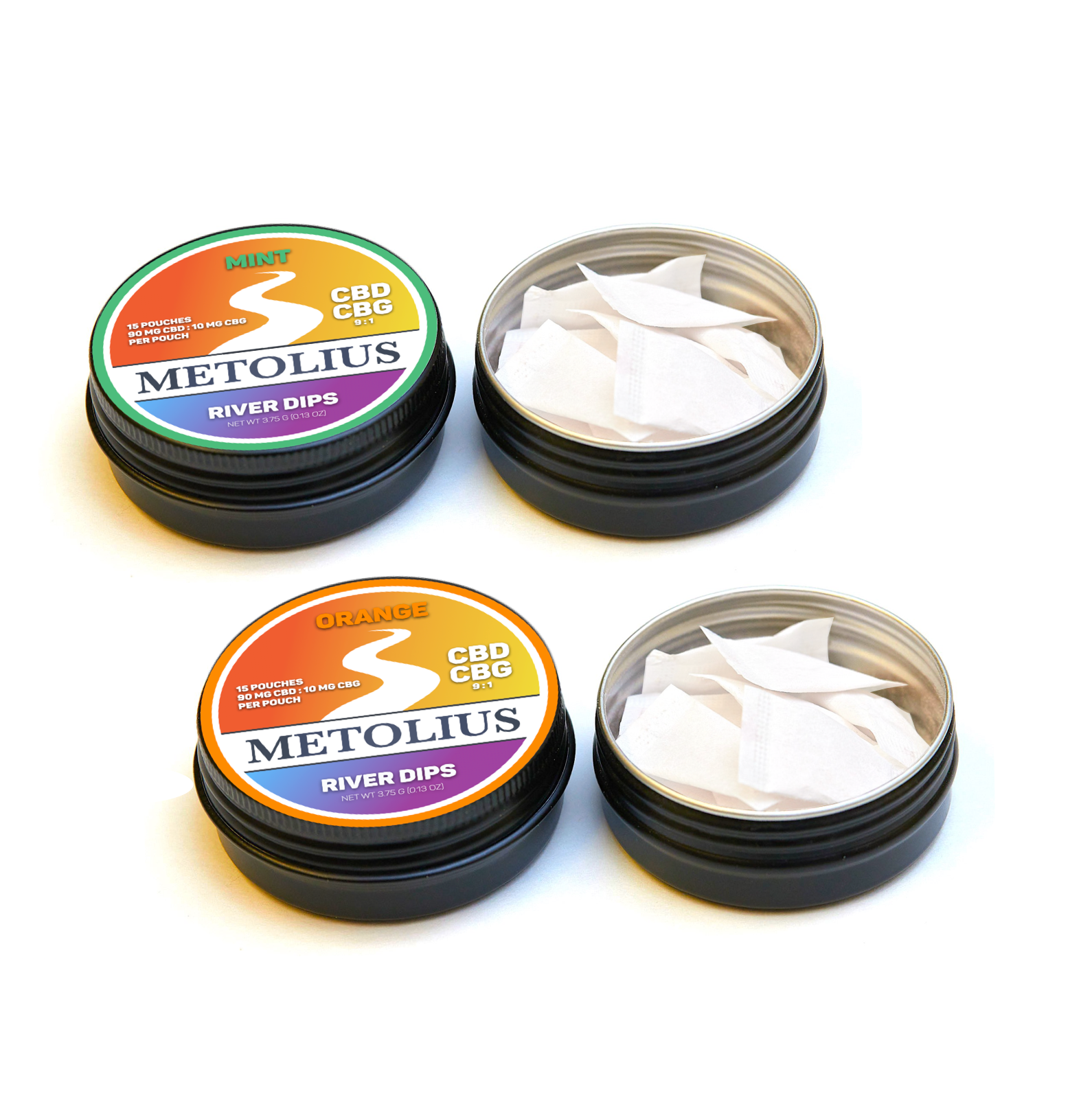
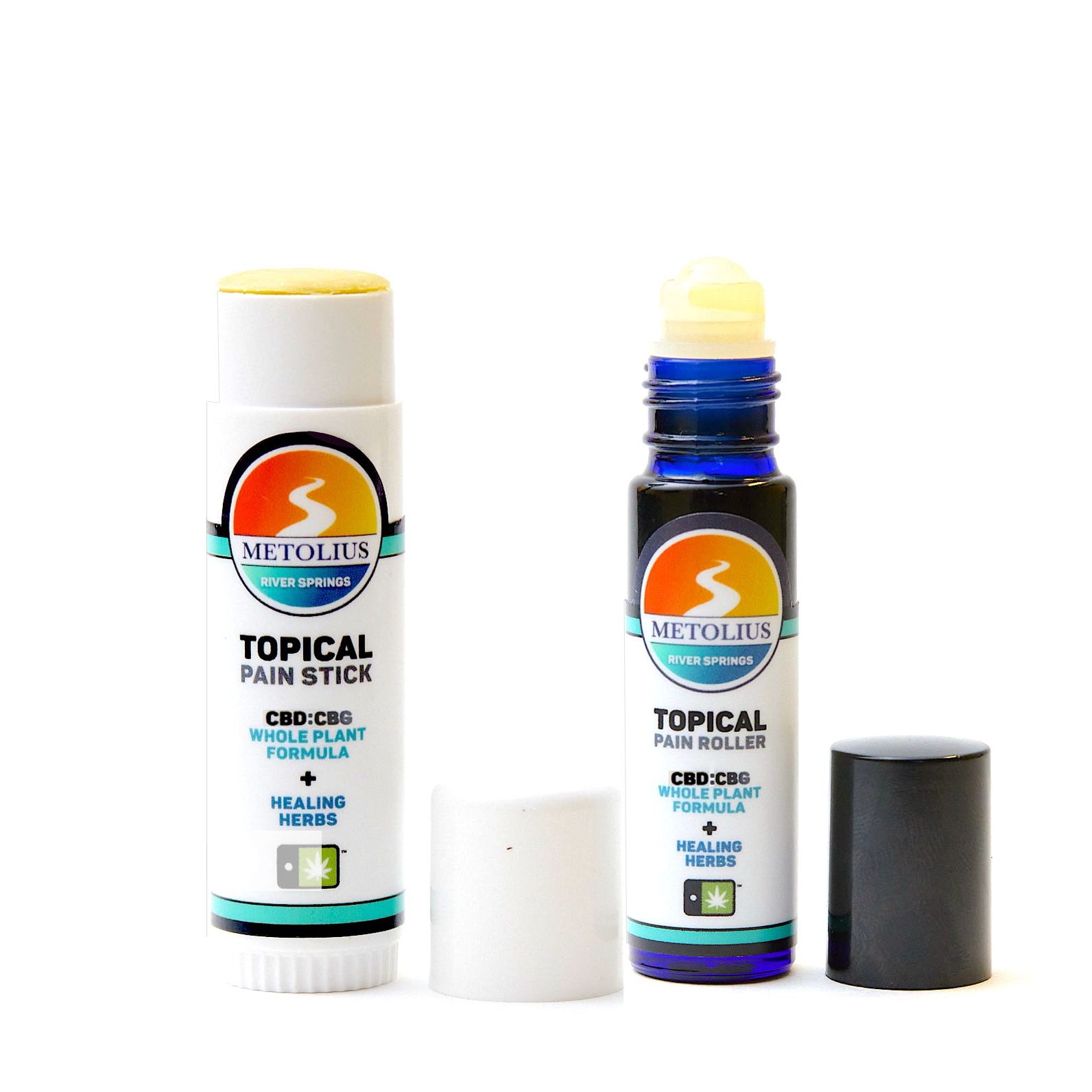
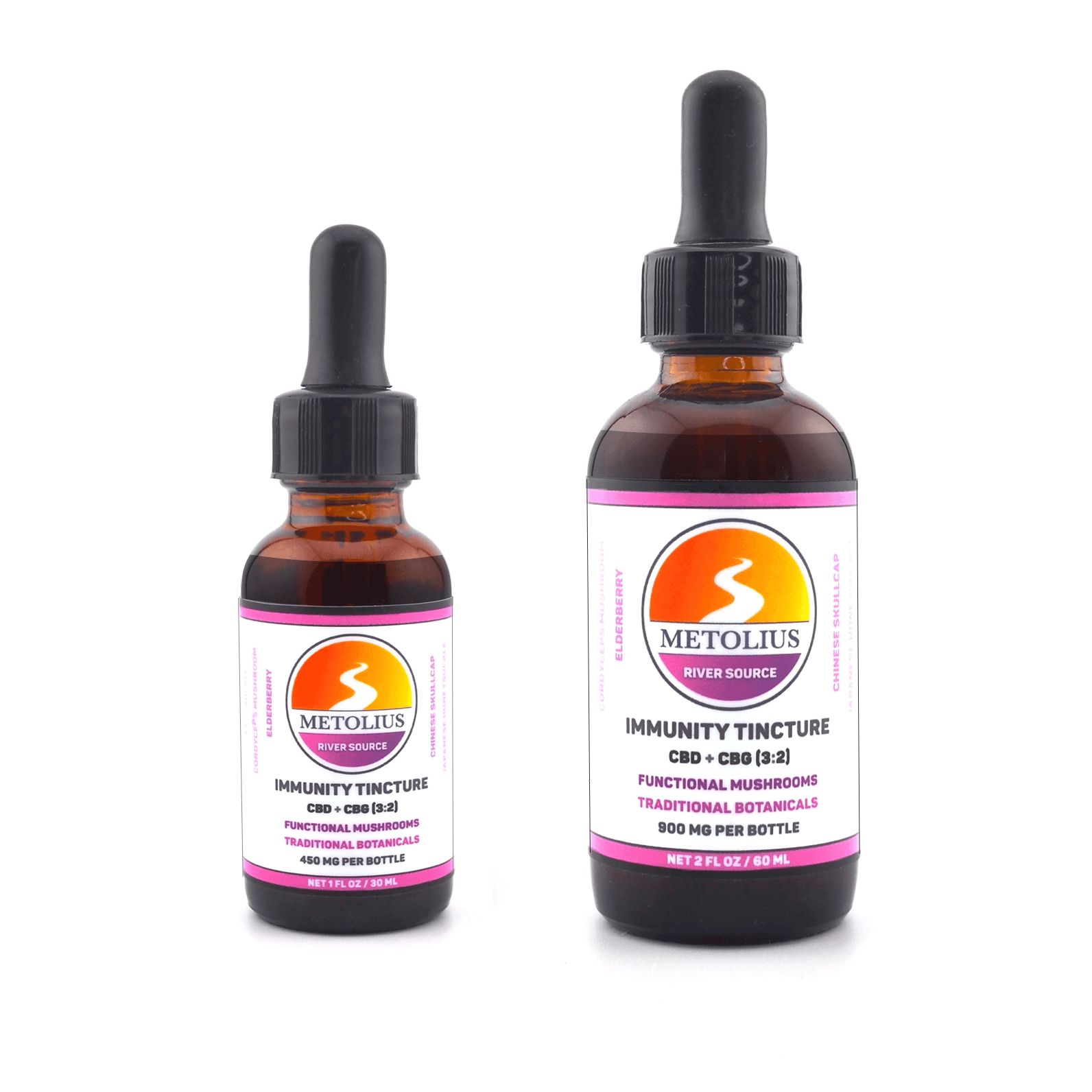
Some people prefer a CBD tincture because it is easy to adjust by the dropper and can be taken before a stressful event or evening routine. Others favor capsules for a simple, consistent serving, while gummies and beverages can make a nightly ritual feel more satisfying. The best format is usually the one you will use consistently without turning wellness into another task on your list.
Full-spectrum, broad-spectrum, or isolate?
CBD products are not all the same. A CBD isolate contains CBD alone. Broad-spectrum hemp extract contains CBD plus other hemp compounds while generally removing detectable THC. Full-spectrum hemp extract includes a wider range of naturally occurring hemp compounds and may contain trace amounts of THC within legal limits.
Some consumers prefer full-spectrum formulas because they want the whole-plant profile. Others choose broad-spectrum or isolate products because they want to avoid THC. If you are subject to workplace drug testing, competing in regulated sports, pregnant or breastfeeding, or simply want to avoid THC, talk to a qualified healthcare professional and choose products with clear, current third-party lab results. No hemp product can guarantee a negative drug test.
CBD Works Better When the Rest of the Routine Supports You
A stressful season may call for more than one wellness lever. CBD can be a meaningful addition, but it is unlikely to compensate for four hours of sleep, constant caffeine, skipped meals, and no space to decompress. The goal is not perfection. The goal is to build a realistic recovery pattern your nervous system can recognize.
Start by noticing when stress spikes. If your tension rises at 3 p.m., consider whether lunch was substantial enough and whether coffee is carrying too much of the day. If evenings are the hard part, create a replacement ritual before the urge to pour a drink or scroll for an hour takes over. A CBD beverage or gummy can fit naturally here, especially when paired with a real meal, softer lighting, and a predictable bedtime cue.
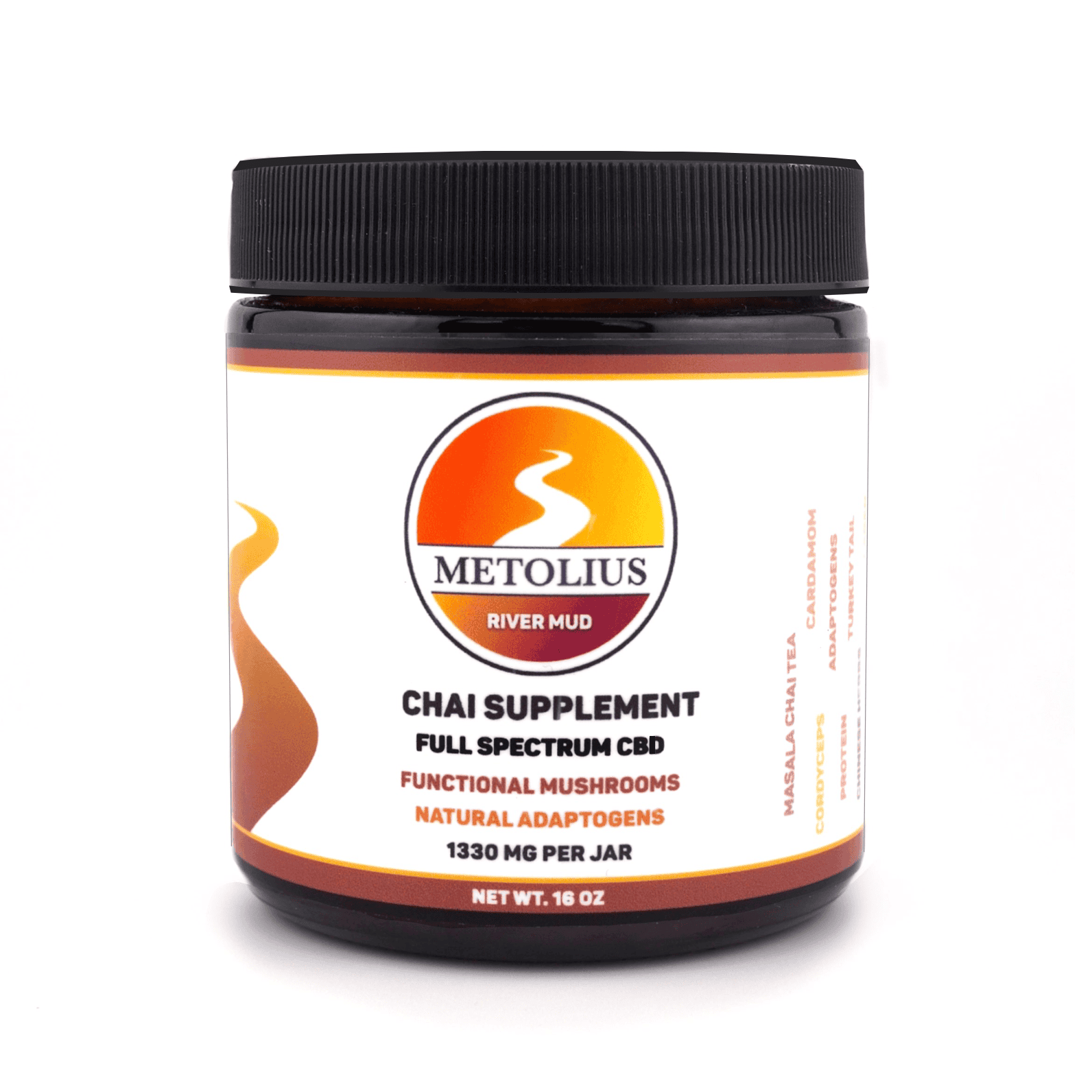
Functional ingredients can also matter. Depending on your needs, people often look for CBD formulas paired with botanicals, adaptogens, functional mushrooms, or magnesium. These combinations are not interchangeable, and more ingredients do not automatically mean a better product. Choose a formula built around a clear purpose, then give it enough time and consistency to assess how it fits your body and routine.
At Metolius Wellness, that purposeful approach is central: hemp-based support can be part of an Exit P.A.C.T. from habits that leave you more depleted than restored. The most meaningful change often comes from replacing one small default behavior with a better one, repeatedly.
How to Try CBD for Stress Without Guesswork
If you are new to CBD, begin with the product label, not a high serving. Follow the manufacturer’s suggested use and start at the lower end of the recommended range. Keep the timing and serving consistent for several days before deciding whether to adjust. Taking more immediately because you do not feel a dramatic shift is rarely the smartest approach.
It helps to track a few simple signals: how quickly you settle into your evening, whether you wake during the night, your tension level before a stressful task, and whether you are relying less on a coping habit you want to change. Look for subtle functional improvements rather than a dramatic feeling. You may notice that you pause before reacting, transition out of work more easily, or feel less pulled toward the second glass of wine.
Timing depends on your goal and the format. A tincture may be convenient before a known stressor or as part of a bedtime routine. A capsule may work well when you want a predictable daily practice. A beverage can offer a satisfying replacement during the time you would normally reach for alcohol or a late coffee. If a product makes you sleepy, reserve it for evenings until you know how you respond.
Quality and Safety Are Part of the Wellness Benefit
Premium hemp wellness should feel transparent, not mysterious. Look for products made from responsibly sourced hemp with batch-specific third-party testing. A certificate of analysis should verify cannabinoid content and screen for contaminants such as heavy metals, pesticides, residual solvents, and microbial impurities. The label should clearly state the serving size, CBD amount, additional active ingredients, and whether the product contains THC.
CBD can cause side effects for some people, including fatigue, diarrhea, changes in appetite, or stomach discomfort. It may also interact with certain medications, especially medications that carry grapefruit warnings or are processed by the liver. Speak with your doctor, pharmacist, or prescribing clinician before using CBD if you take prescription medications, have liver disease, are pregnant or breastfeeding, or have a medical condition requiring ongoing treatment.
CBD is not a substitute for therapy, crisis support, or medical care. Persistent worry, panic symptoms, trauma-related stress, depression, or trouble functioning deserve professional attention. The strongest wellness plan can include both clinical support and plant-based tools.
Stress may be unavoidable, but running on empty does not have to be your default. If CBD helps you create a calmer pause between pressure and your next choice, that pause can become the beginning of a better habit.