

The hard part of quitting nicotine usually is not the first decision. It is 3:17 p.m. when your focus drops, your stress spikes, and your body asks for the ritual it knows. A good nicotine replacement wellness routine example has to meet that real-world moment, not just the ideal version of you who feels motivated on Monday morning.
That is why the most effective routines do more than swap one product for another. They rebuild the cues around stress, energy, reward, and recovery. If nicotine has been your fast fix for tension, boredom, appetite, or concentration, a replacement routine needs enough structure to support your nervous system while new habits take root.
What a nicotine replacement wellness routine example should actually do
A useful routine should lower friction and increase stability. In plain terms, it should make cravings easier to manage before they become urgent. That usually means creating a repeatable rhythm for mornings, high-trigger hours, and evenings, when many people either reach for nicotine automatically or feel the rebound effects of not using it.
The goal is not perfection. The goal is fewer reactive moments. When your day includes hydration, protein, movement, calming inputs, and non-habit-forming support for stress and sleep, nicotine often loses some of its perceived job description. It no longer feels like the only thing holding your day together.
There is also a trade-off worth saying out loud. Some people do well with a highly structured quit plan, while others need a more flexible reduction approach. If you are trying to stop all at once, your routine may need more intensive support in the first two weeks. If you are tapering, the same routine can help reduce dependence without making the process feel punishing.
A realistic daily routine for nicotine replacement support
Here is a practical nicotine replacement wellness routine example built for someone with work stress, predictable cravings, and a desire to replace the habit rather than white-knuckle through it.
Morning: stabilize before cravings start
Start your day with water before caffeine. Overnight dehydration can intensify the jittery, edgy feeling that many people mistake for a nicotine need. Eat a breakfast with protein and fiber, even if it is simple. A blood sugar crash by midmorning makes cravings feel louder and your patience thinner.
If mornings are when you usually vape, smoke, or use pouches right away, replace that first ritual with something your body can look forward to. That might be a hot shower, a short walk outside, breathing work, or a plant-based wellness product that supports calm focus without adding another dependency. For many people, this is where CBD or a broad cannabinoid blend can fit well into the routine, especially if nicotine has become tied to anxiety management.
The key is consistency. You are teaching your brain that relief can come from a different sequence. Wake up, hydrate, nourish, regulate. Then begin the day.
Late morning to afternoon: protect the trigger window
This is where most routines either work or fail. If nicotine has been your productivity companion, the midday stretch can feel hollow without it. Instead of waiting for a craving to hit full volume, schedule a proactive reset around the time you usually reach for nicotine.
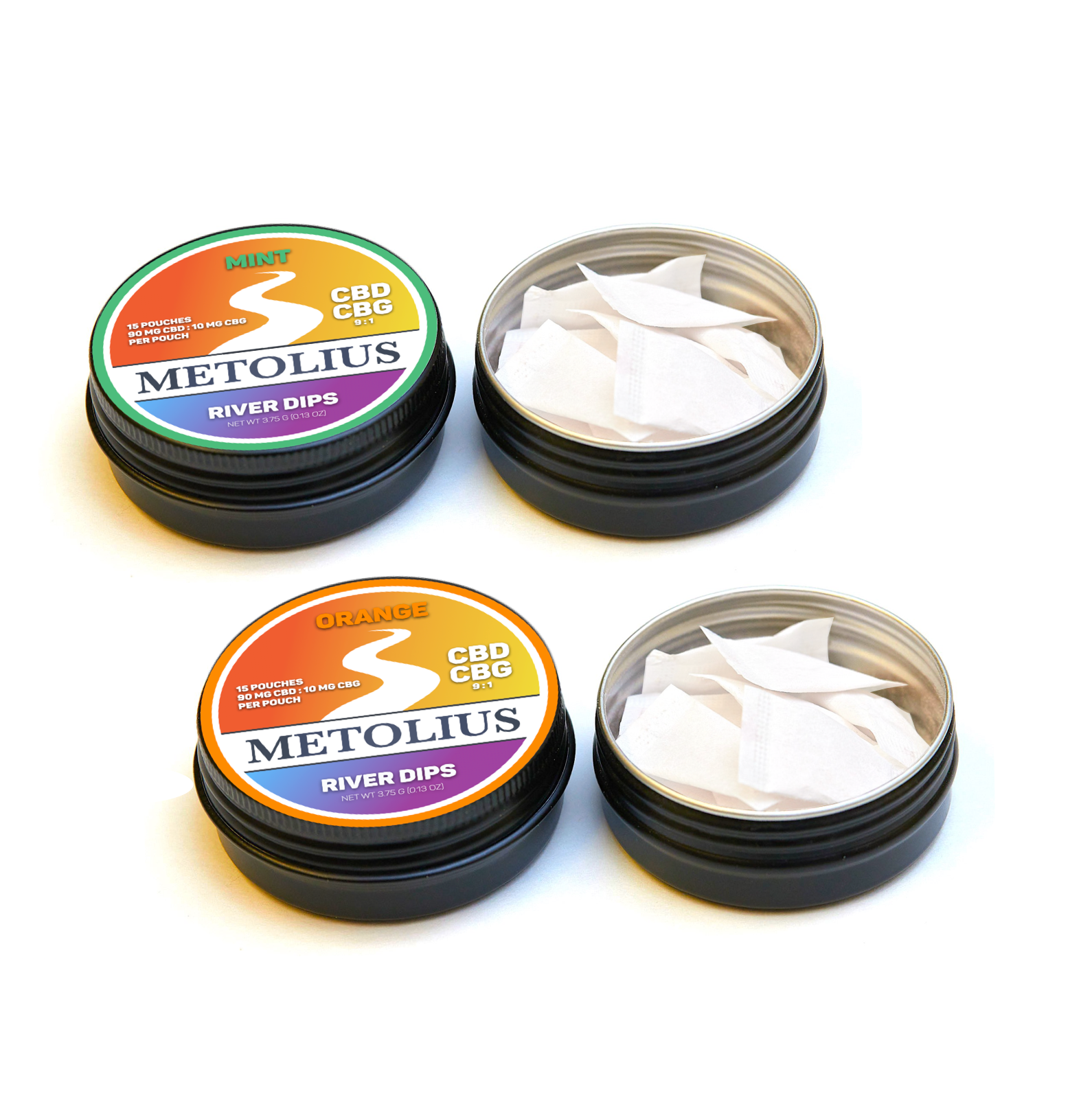
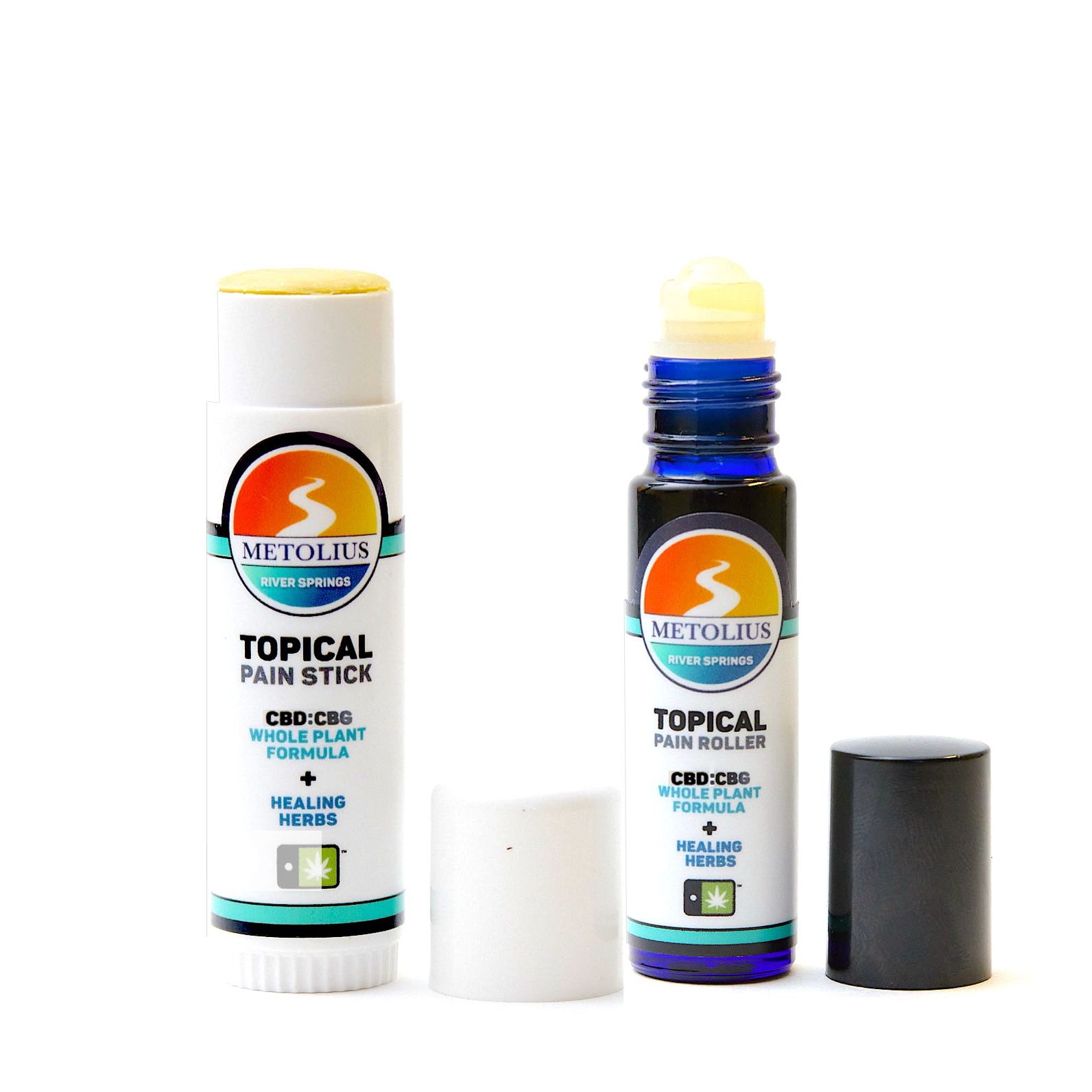
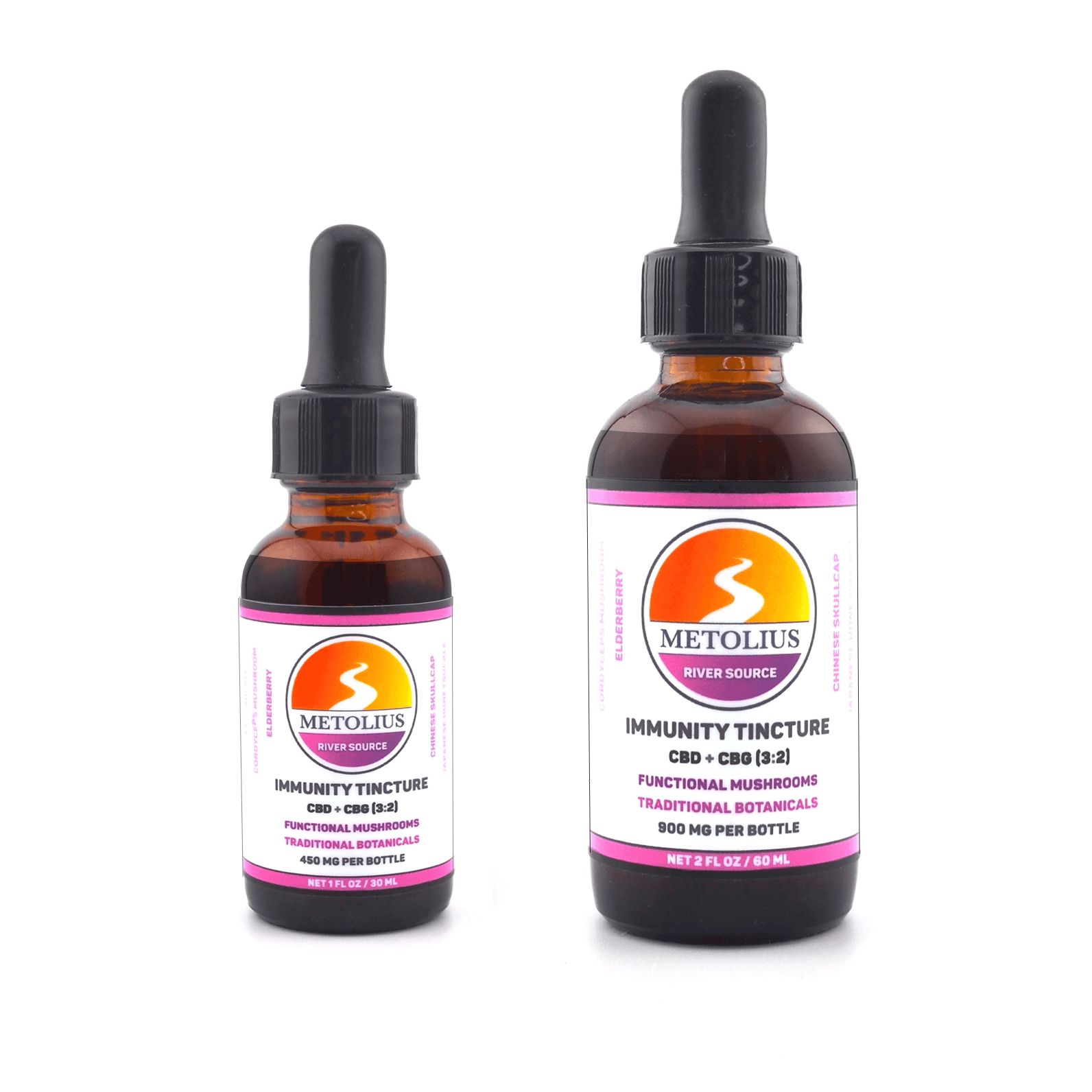
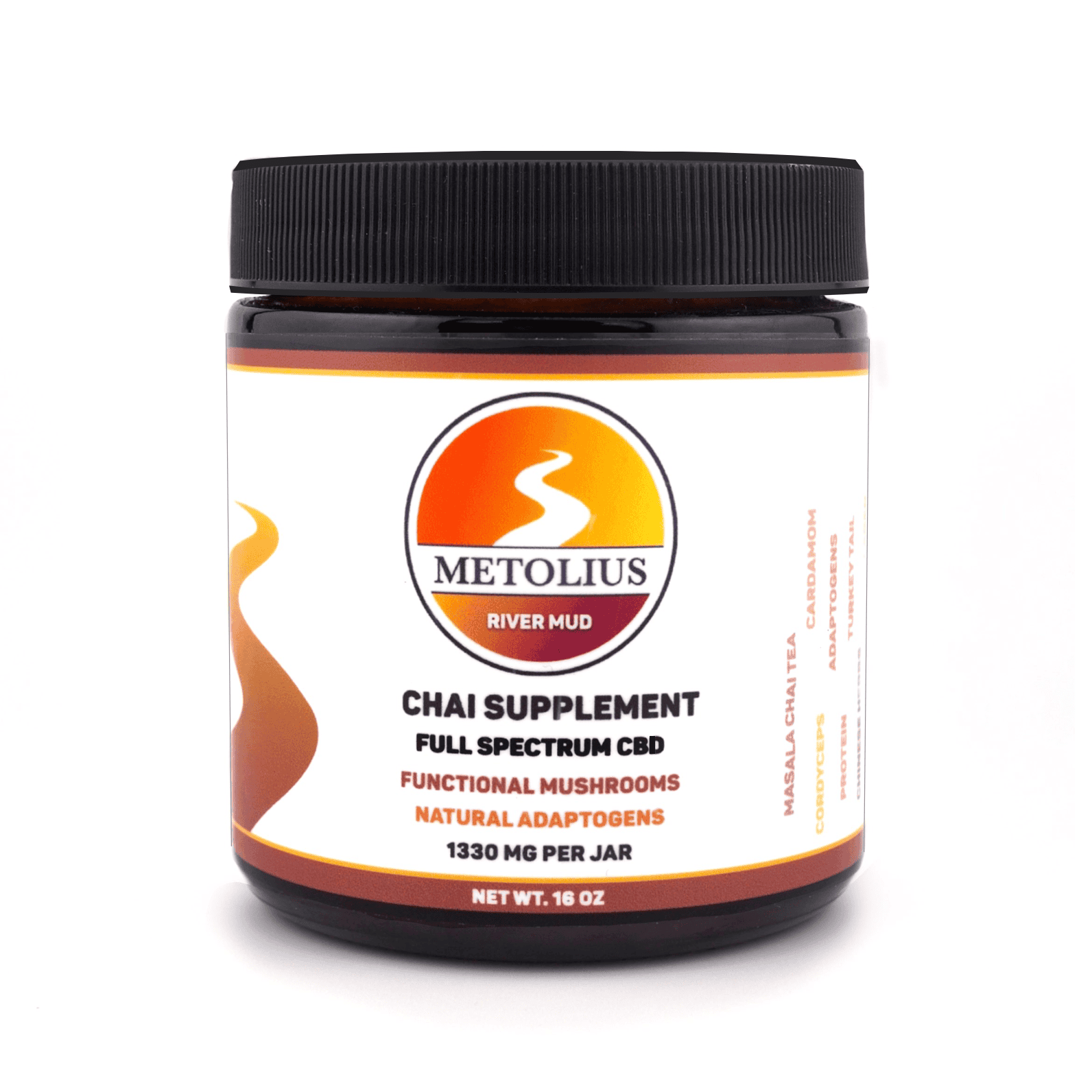
Take five minutes away from your screen. Drink water again. Have a snack with protein if lunch is still far off. If your cravings are tied to the hand-to-mouth habit, keep a substitute nearby that gives your body a bridge without reinforcing the same cycle in a harmful way. Some people also benefit from a calming gummy, tincture, or other wellness support designed for stress relief and vice replacement. Metolius Wellness has built much of its philosophy around this exact transition - replacing reactive habits with plant-based routines that support the person, not just the symptom.
This part matters because cravings are not always chemical. Many are environmental. The meeting ended. The inbox piled up. You got in the car. You stepped outside. Your body remembers the script. A strong routine interrupts that script with a better one.
After work: separate decompression from nicotine
A lot of people assume quitting is hardest in the morning. Often, it is not. It is the end of the day, when discipline is low and your nervous system wants relief fast. If nicotine has become your signal that work is over, create a new decompression anchor before you get home or as soon as you walk in.
That could be a 10-minute walk, stretching, a shower, changing clothes, or a sparkling beverage that feels satisfying without keeping the dependence cycle alive. If irritability ramps up in the evening, this is also where broad-spectrum wellness support can help take the edge off. The point is not to numb out. It is to reduce the internal pressure that makes relapse feel reasonable.
Dinner helps more than people expect. A solid meal can calm the restless, snacky, searching feeling that often gets misread as a nicotine craving. If your pattern includes using nicotine after eating, plan something else for those 15 minutes. Brush your teeth. Wash dishes. Step outside without bringing the old behavior with you.
Night: protect sleep so tomorrow is easier
Poor sleep can derail nicotine reduction quickly. When you are underslept, cravings tend to feel sharper, stress tolerance drops, and everything becomes more negotiable. That is why evening recovery is part of nicotine replacement, not an unrelated wellness extra.
Dim lights earlier than usual. Reduce late caffeine if you are still relying on it to compensate for quitting. Use a sleep-supportive routine that helps your body downshift, whether that includes a calming tea, magnesium, breathwork, or cannabinoid support aimed at rest. Better sleep does not erase cravings, but it often makes them much more manageable the next day.
Why this routine works better than willpower alone
Willpower is useful, but it is unreliable under stress. Routines work because they reduce decision fatigue and account for your real triggers. They create relief in advance instead of asking you to manufacture self-control on command.
There is also an identity shift built into a routine like this. You stop acting like someone trying not to use nicotine and start acting like someone who protects energy, mood, and recovery on purpose. That difference sounds subtle, but it changes behavior. People are more likely to stay consistent with a plan that feels supportive than one built entirely on restriction.
Where plant-based wellness support fits
Nicotine often serves more than one purpose. It may sharpen focus, interrupt stress, curb appetite, ease social discomfort, or fill empty transitions in the day. That is why a single replacement tool is not always enough.
Plant-based wellness products can fit into a broader routine by supporting the underlying reasons you reach for nicotine in the first place. CBD may help with stress and irritability. CBN may be more useful at night if sleep becomes unstable during the quitting process. CBG or other functional ingredients may better suit daytime balance, depending on the formulation and your response. It depends on the person, the timing, and the trigger pattern.
That said, more is not always better. The strongest routine is usually the simplest one you can repeat. Pick support that matches your hardest moments, then use it consistently enough to notice what is helping and what is just adding noise.
Common mistakes that make nicotine replacement harder
One mistake is trying to keep every other stressor the same while removing nicotine. If your sleep is poor, meals are inconsistent, and your caffeine intake is high, quitting may feel much harsher than it needs to. Another is assuming every craving means you need more discipline. Sometimes it means you need food, hydration, rest, or a break from overstimulation.
It is also easy to overlook emotional triggers. Arguments, loneliness, reward-seeking, and even celebration can bring cravings back fast. That does not mean you are failing. It means your routine needs to cover more than chemistry. It needs to support your environment and your emotional patterns too.
Adjusting the routine as your dependence changes
The best routine evolves. In the first week, you may need more frequent check-ins and more obvious replacements for the ritual itself. By week three or four, cravings may be less constant but more surprising. At that stage, sleep, stress management, and social situations often matter more than the initial withdrawal window.
If you slip, do not treat it like proof the routine failed. Treat it like data. What time was it? What were you feeling? What was missing? A good wellness routine is not fragile. It can absorb imperfect days and still move you forward.
Replacing nicotine is rarely about one heroic decision. It is about building enough steady support that the old habit stops feeling necessary. Make your routine practical, calming, and honest about your triggers. When your day starts giving your body what nicotine used to fake, change starts to feel less like deprivation and more like relief.
The most sustainable progress usually comes from a simple question you can answer every morning: what would make it easier to choose myself today?