

That 3 p.m. spiral hits fast. Your chest tightens, your thoughts start stacking, and suddenly a second cup of coffee, a glass of wine later, or an old coping habit sounds easier than actually dealing with the stress. That is usually the real question behind is CBD good for anxiety - not whether it is trendy, but whether it can help you feel more steady without creating a new dependency.
The short answer is maybe, and for many people, that matters. CBD is not a cure for anxiety, and it does not work the same way for everyone. But early research, user experience, and growing clinical interest suggest it may help some people feel calmer, sleep better, and respond to stress with less intensity. The key is understanding what CBD can do, what it cannot do, and how to use it as part of a bigger wellness shift instead of a quick fix.
Is CBD Good for Anxiety, Really?
CBD, short for cannabidiol, is a non-intoxicating compound found in hemp. Unlike THC, it does not produce a high. What makes CBD interesting for anxiety is the way it appears to interact with systems in the body involved in mood, stress response, inflammation, and sleep.
Researchers are still working out the exact mechanisms, but CBD seems to influence the endocannabinoid system, as well as serotonin signaling and other pathways tied to emotional regulation. In plain terms, it may help the body return to balance when stress starts pushing things off course.
That does not mean every anxious feeling calls for CBD. Anxiety is a broad term. For one person, it looks like racing thoughts before bed. For another, it shows up as social tension, irritability, a pounding heart, or the constant urge to take the edge off with alcohol or nicotine. CBD may be more helpful for some of these patterns than others.
The strongest early signals tend to show up around situational anxiety, stress-related sleep disruption, and the kind of low-grade but persistent nervous system overload many adults now live with daily. If your anxiety is severe, constant, or tied to panic attacks, trauma, or depression, CBD may still play a role, but it should not replace proper medical care.
What the Research Actually Suggests
If you are asking is CBD good for anxiety, it is worth separating promise from proof. The research is encouraging, but it is not finished.
Some human studies have found that CBD may reduce anxiety in specific settings, such as public speaking or acute stress situations. Other studies and reviews suggest CBD could support people dealing with generalized anxiety, social anxiety, and sleep issues linked to stress. Many people also report feeling calmer, less reactive, and more able to unwind.
Still, dosage varies widely across studies. Product quality is inconsistent across the market. And anxiety itself is complicated. A product that helps one person settle into sleep may do very little for someone whose anxiety is driven by a medication interaction, trauma history, hormone shifts, or too much caffeine.
That is why the most honest answer is not yes or no. It is that CBD may be a useful tool, especially for people who want a plant-based, non-habit-forming option to support a more intentional routine.
How CBD May Help With Anxiety Symptoms
CBD often works less like a sedative and more like a volume adjustment. People do not usually describe it as feeling numb or knocked out. More often, they say they feel more even, less wound up, and better able to move through stress without tipping over into overwhelm.
That can matter in a few different ways. If anxious thoughts keep you awake, CBD may support better sleep, which then improves stress resilience the next day. If tension shows up physically, it may help ease that tight, restless feeling in the body. If your anxiety pushes you toward habits you are trying to leave behind, a steadying routine may help create a little more space between impulse and action.
This is where formulation matters. A generic CBD product is not always enough. Some people respond better to CBD paired with ingredients like magnesium, calming botanicals, adaptogens, or functional mushrooms that support a more targeted stress response. That kind of combination can make more sense than chasing higher and higher CBD doses.
When CBD May Not Be the Right Fit
CBD is not automatically the best option just because it is natural. That distinction matters.
If you are taking prescription medications, especially those with grapefruit warnings, you need to be careful. CBD can affect how some drugs are metabolized. If you are pregnant, breastfeeding, or managing a complex mental health condition, talk with a qualified healthcare professional before using it.
It is also worth checking your expectations. CBD is not likely to erase anxiety overnight, and it may not be enough on its own if your nervous system is under constant pressure from poor sleep, overstimulation, blood sugar swings, burnout, or substance dependence. In those cases, CBD may still help, but only as part of a wider change in routine.
And while CBD is generally well tolerated, some people notice side effects like fatigue, digestive upset, or feeling off if they take too much. More is not always better.
Choosing the Right CBD for Anxiety Support
If you want to try CBD for anxiety, quality matters as much as the ingredient itself. The hemp space is crowded with products that look similar but perform very differently.
Start by looking for transparent sourcing, clean ingredients, and third-party lab testing. You want to know what is in the bottle or gummy, not just what the label claims. Premium formulas tend to be more intentional about extraction, consistency, and supporting ingredients.
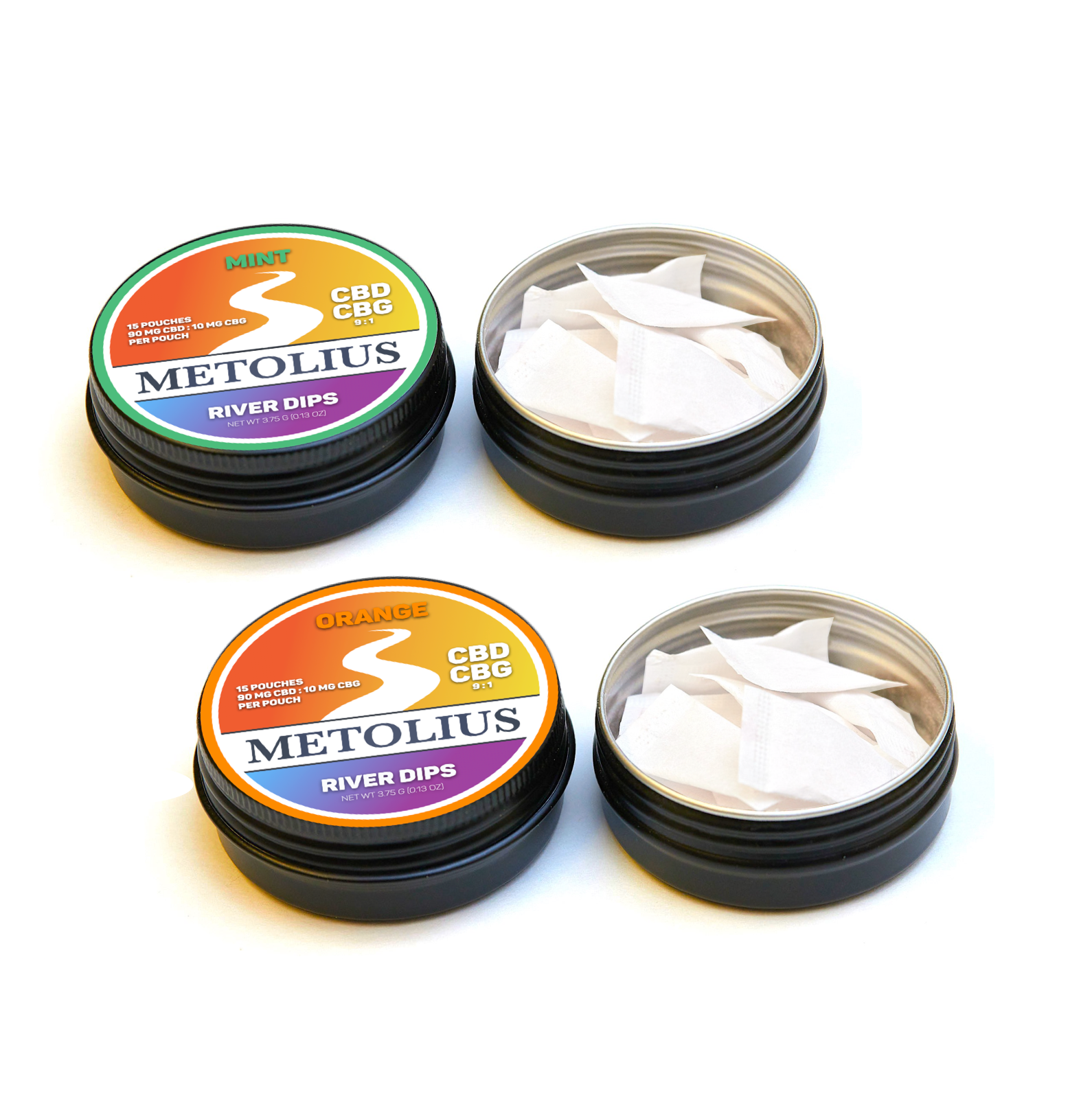
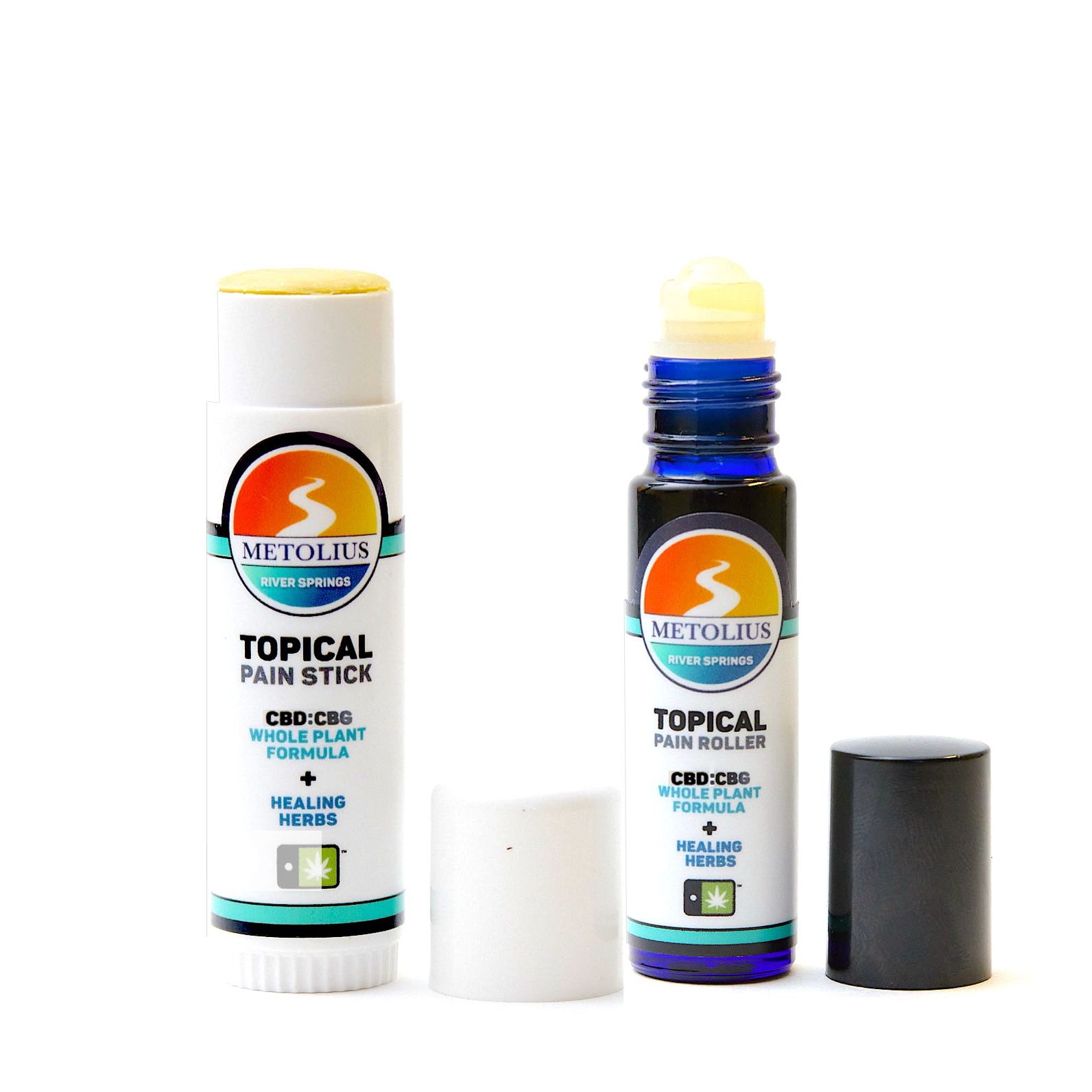
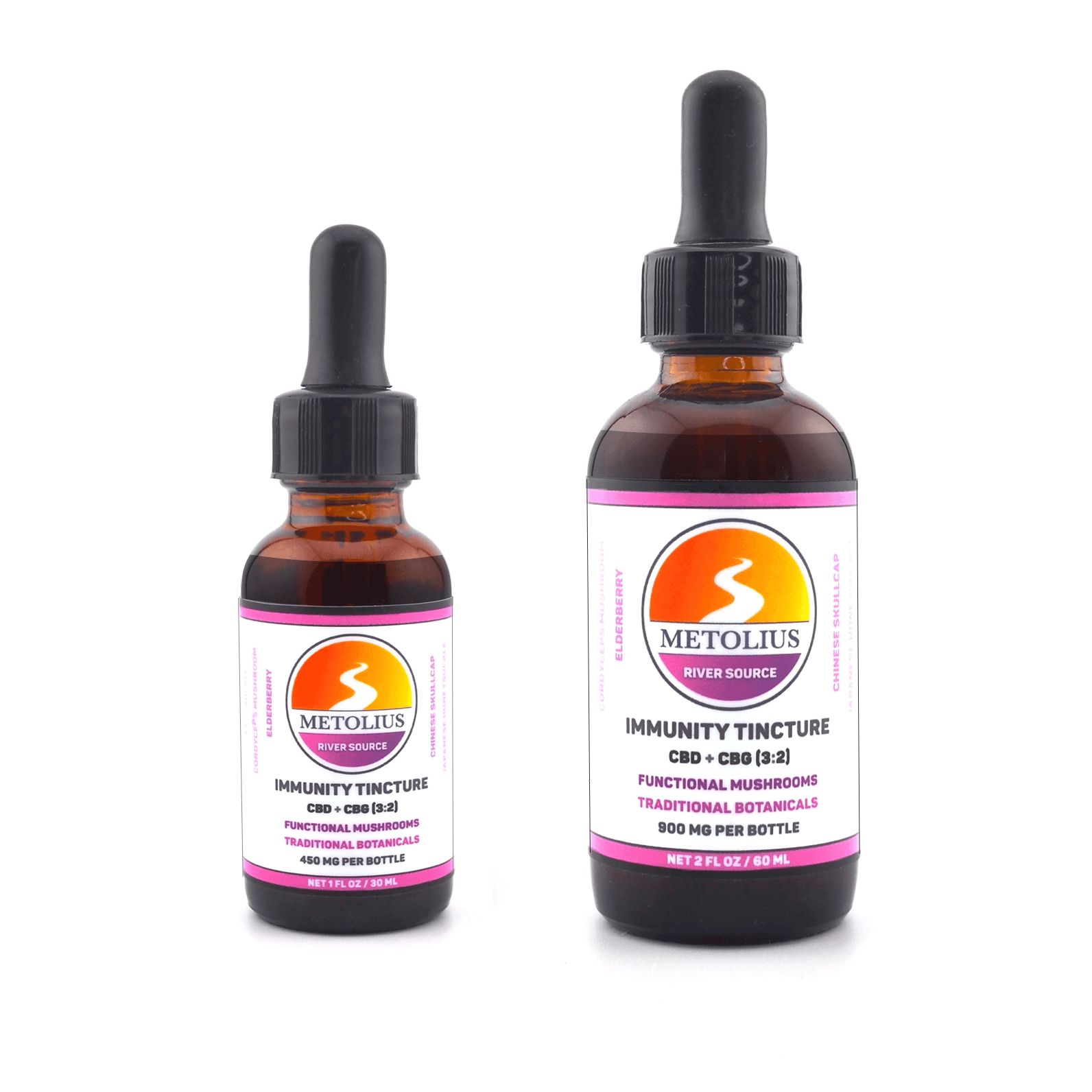
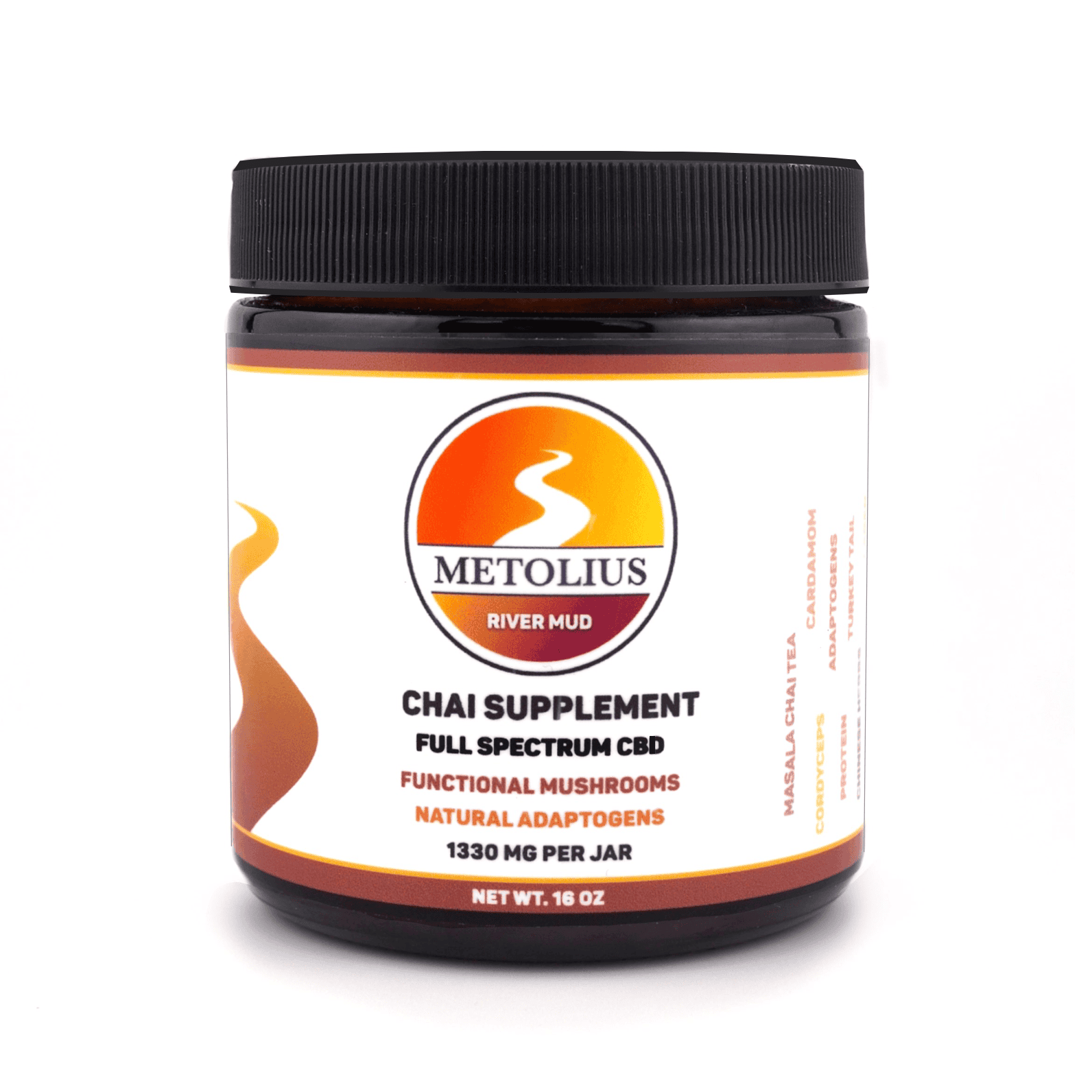
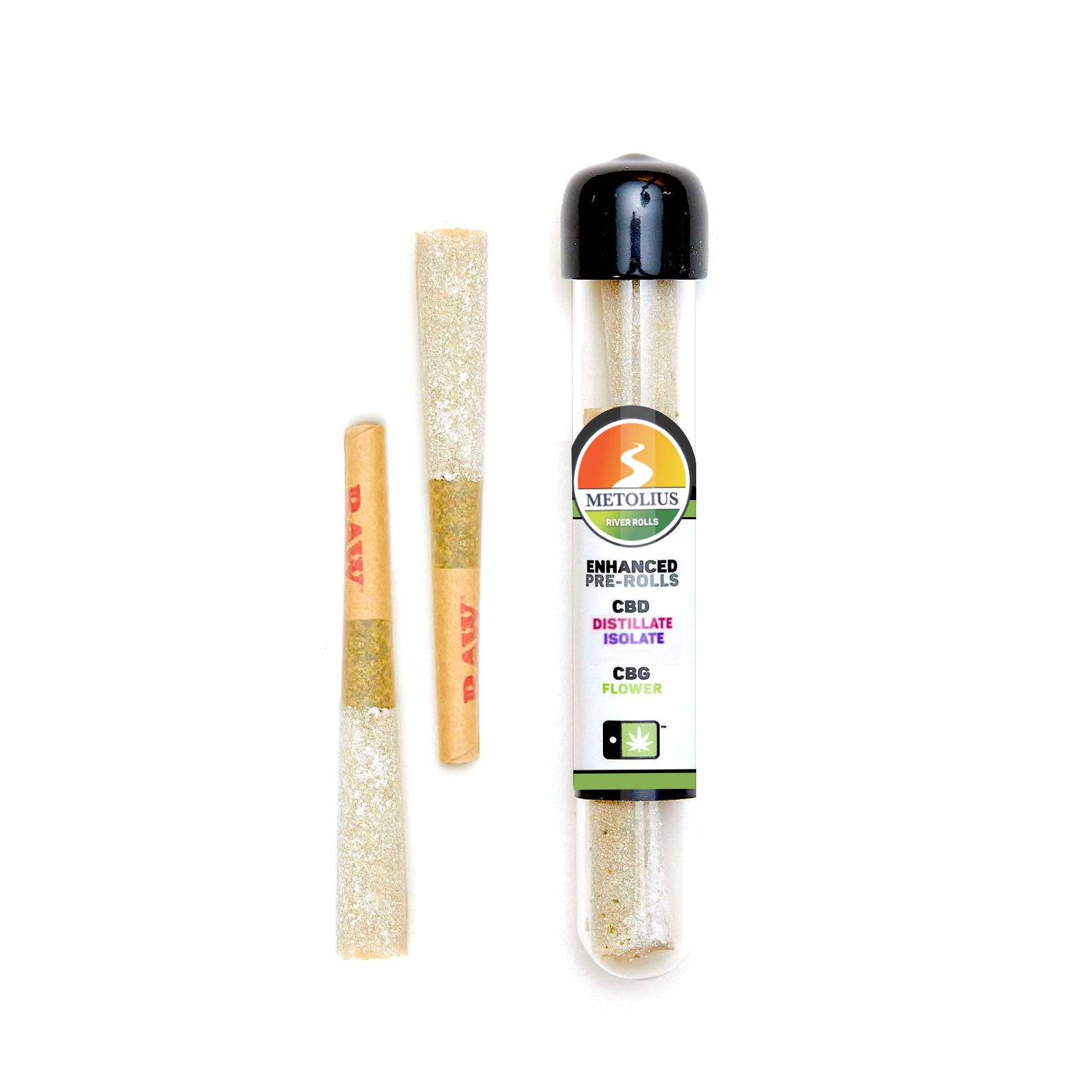
Then think about format. Tinctures are popular because they are easy to adjust and tend to work relatively quickly. Gummies and capsules are simple and convenient, especially if you want a measured serving. Powders, beverages, or targeted blends can fit well if your anxiety tends to spike at certain times of day, such as mid-afternoon stress or bedtime.
Broad-spectrum, full-spectrum, and isolate products can all play a role. Some people prefer broad-spectrum or full-spectrum hemp extracts because additional cannabinoids and terpenes may create a more rounded effect. Others want THC-free options for work, sensitivity, or personal preference. There is no universal best choice - only the best fit for your goals and comfort level.
How to Use CBD Without Turning It Into Another Crutch
This is where the conversation gets more honest. Relief matters, but so does the reason you are reaching for it.
For many adults, anxiety is tied to a cycle of replacement. Caffeine to push through. Alcohol to come down. Nicotine to take the edge off. Sleep aids to recover. If CBD is going to help, it works best when it becomes part of a healthier pattern rather than another automatic reaction.
That might mean using a CBD tincture in the evening instead of a drink. It might mean a calming gummy before a stressful event instead of white-knuckling your way through it. It might mean building a nightly wind-down routine that includes CBD, less screen exposure, and better sleep habits.
At Metolius Wellness, that broader shift is the point. The goal is not just symptom management. It is helping people exit patterns that leave them depleted and replace them with plant-based support that fits real life.
What to Expect if You Try It
Some people notice a difference the first time they use CBD. Others need several days or a few weeks of consistency before they can tell whether it is helping. That is normal.
A good starting approach is to begin low, stay consistent, and pay attention to timing. If your anxiety peaks at night, an evening routine may make sense. If it hits before meetings or social situations, situational use may be enough. Tracking sleep, mood, and stress levels can help you judge results more clearly than relying on a vague impression.
It is also smart to define success realistically. Maybe CBD does not make you feel dramatically different, but it helps you fall asleep faster, recover from stress more smoothly, or skip the coping habit you have been trying to leave behind. That still counts.
So, Is CBD Good for Anxiety?
For some people, yes - especially when anxiety is tied to stress overload, poor sleep, overstimulation, or habit loops that keep the nervous system on edge. For others, it may offer only mild support or none at all. The difference often comes down to product quality, consistency, dosage, body chemistry, and whether CBD is part of a bigger wellness strategy.
The better question may be this: can CBD help you create a little more calm, a little more control, and a better alternative to the coping patterns that are not serving you anymore? If the answer is yes, that is a meaningful place to start.