Stress rarely shows up as one clean symptom. For some people it is a racing mind at 2 a.m. For others it is jaw tension, a short fuse, afternoon cravings, or that feeling of being wired and drained at the same time. If you are figuring out how to use CBD for stress, the goal is not to numb yourself out. It is to create enough calm and nervous system support that better habits actually become possible.
That difference matters. People often reach for whatever brings the fastest relief - another drink, another energy boost, another late-night scroll, another old coping pattern. CBD can fit into a different kind of routine. Used well, it can become part of a more intentional replacement strategy, one that supports steadier mood, better sleep, and fewer stress-driven decisions.
How to use CBD for stress starts with the type of stress
Not all stress responds the same way, so the first question is not how much CBD to take. It is what kind of stress you are trying to interrupt.
If your stress feels acute, like a presentation, flight, conflict, or overstimulating social setting, you may want a faster-acting format and a timing plan that is built around the event. If your stress is more chronic, like work pressure, parenting overload, poor sleep, or an always-on baseline of tension, consistency matters more than speed.
This is where people get frustrated. They try CBD once, in the wrong format, at the wrong time, and decide it does not work. In reality, effectiveness often comes down to matching the product to the moment.
Choose the right CBD format for your routine
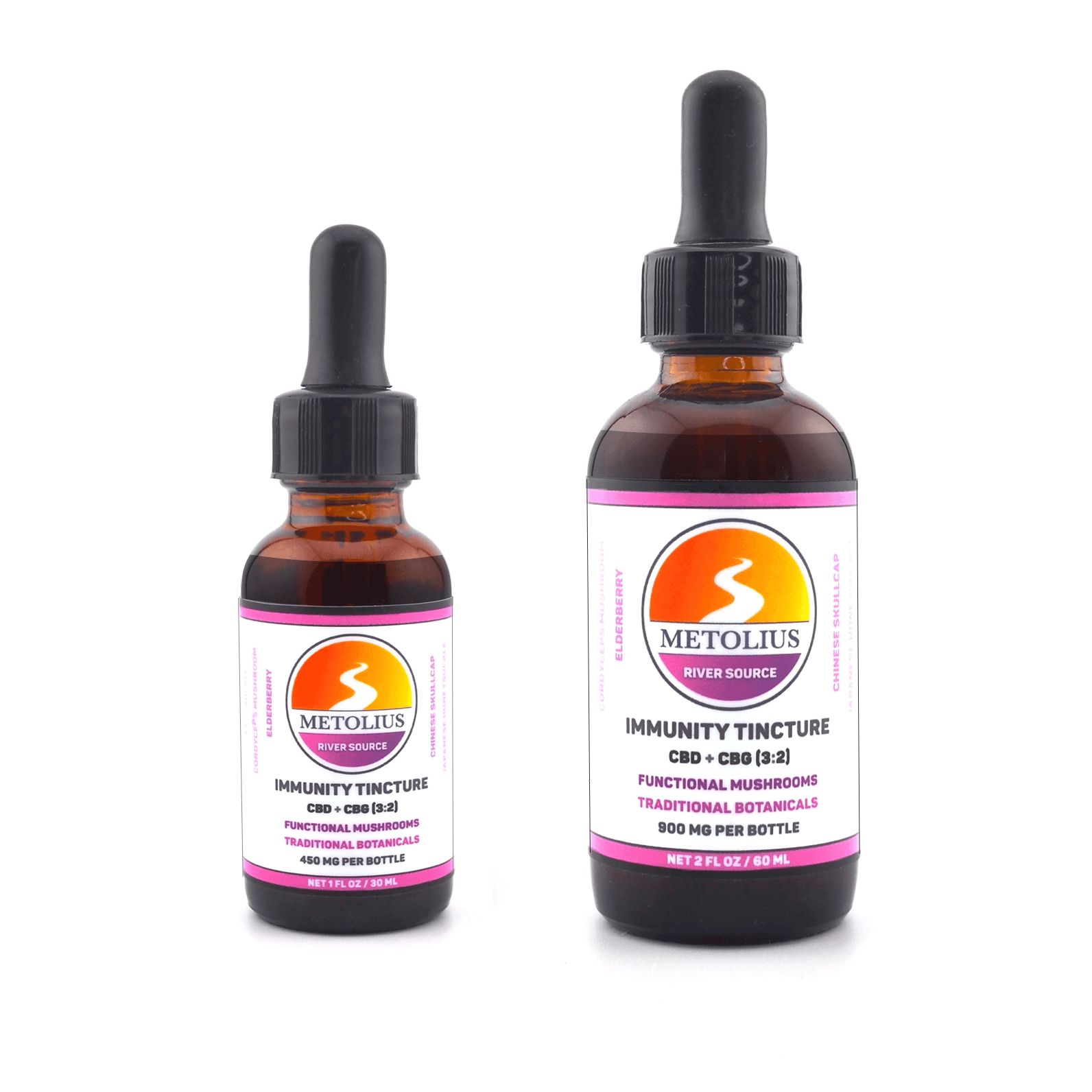
Tinctures are often the most flexible place to start. They make it easier to adjust serving size gradually, and many people like them for daytime or evening use because they can be worked into an established routine. If you want more control over how much you are taking and when, tinctures usually make that easier than other formats.
Gummies and capsules are simpler. They work well for people who want consistency and convenience, especially if stress tends to hit at predictable times. The trade-off is that they are less adjustable in the moment. If one gummy is too much or too little, your options are more limited than with a tincture.
CBD beverages can be especially useful for people trying to replace alcohol, excess caffeine, or other stress-linked habits. There is a behavioral piece here that should not be overlooked. Sometimes the ritual matters almost as much as the ingredient. Having a calming drink in the late afternoon or evening can help create a new pattern, not just a new supplement routine.
Smokables or other inhalable formats may feel faster for some users, but they are not always the best fit if your larger goal is cleaner habit change. If someone is trying to move away from tobacco or impulsive stress coping, a non-inhaled format may better support that transition.
Start low, then build with purpose
The most practical answer to how to use CBD for stress is this: start with a low serving, stay consistent, and adjust based on response. More is not automatically better.
A low-to-moderate serving gives you a clearer read on how your body responds. Take note of whether you feel calmer, sleep better, recover from triggers faster, or simply feel less reactive. Those subtle changes are often the first sign that your routine is working.
If nothing changes after several days of consistent use, you can increase gradually. The right amount varies based on body size, sensitivity, metabolism, product strength, and what else is in the formula. A CBD product blended with adaptogens, magnesium, botanicals, or functional mushrooms may feel different from a CBD-only formula, even at the same cannabinoid strength.
The mistake is changing too many variables at once. If you raise the serving every day, switch formats, and use it at random times, you will have no idea what is helping.
Timing matters more than most people think
CBD for stress can be used situationally, daily, or both.
For predictable stressful moments, take it before the stress peak. That may mean using it 30 to 90 minutes before a meeting, travel day, social event, or bedtime wind-down, depending on format. Waiting until you are already overwhelmed can still help, but it is often less effective than getting ahead of the spike.
For baseline stress, a steady daily rhythm usually works better. Morning use may support a calmer start and reduce that edgy, overstimulated feeling that sends people toward too much caffeine. Evening use may help people who carry stress in the body and struggle to downshift at night. Some people do best with both, a lighter daytime serving and a more restorative evening routine.
It depends on your pattern. If stress makes you foggy, too much too early may not be ideal. If stress makes you restless and snappy, morning support may be exactly what helps.
CBD works better when it is part of a replacement routine
This is where a lot of wellness advice falls short. Stress is not just chemical. It is behavioral.
If your hardest time is 5 p.m., and that is when you usually pour a drink, raid the pantry, hit nicotine, or crash into another cup of coffee, CBD has the best chance of helping when it is paired with a new action. That might be a CBD beverage instead of alcohol, a gummy before the commute home, or a tincture used as part of a nightly transition out of work mode.
You are not just taking something for stress. You are interrupting the old loop.
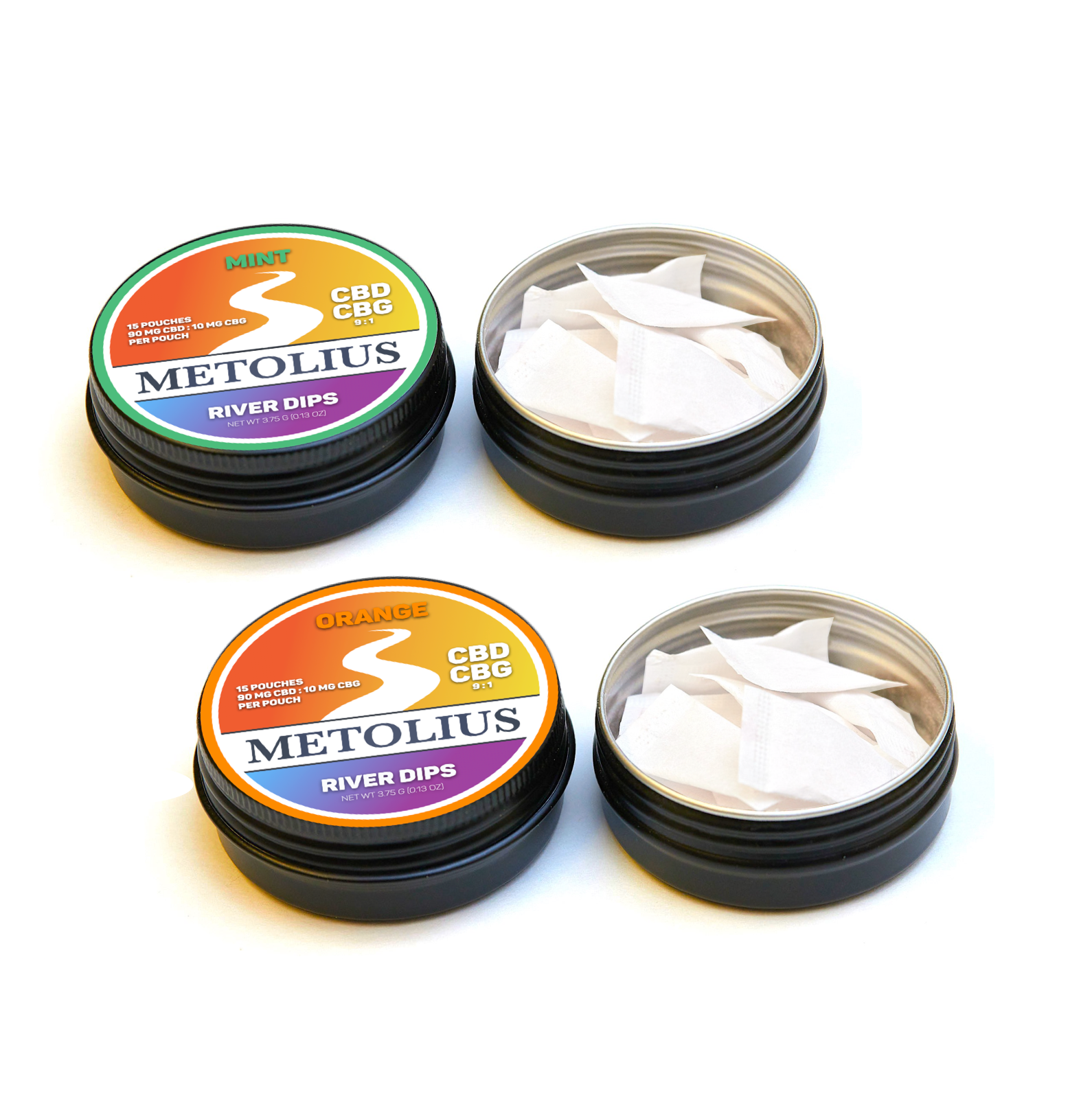
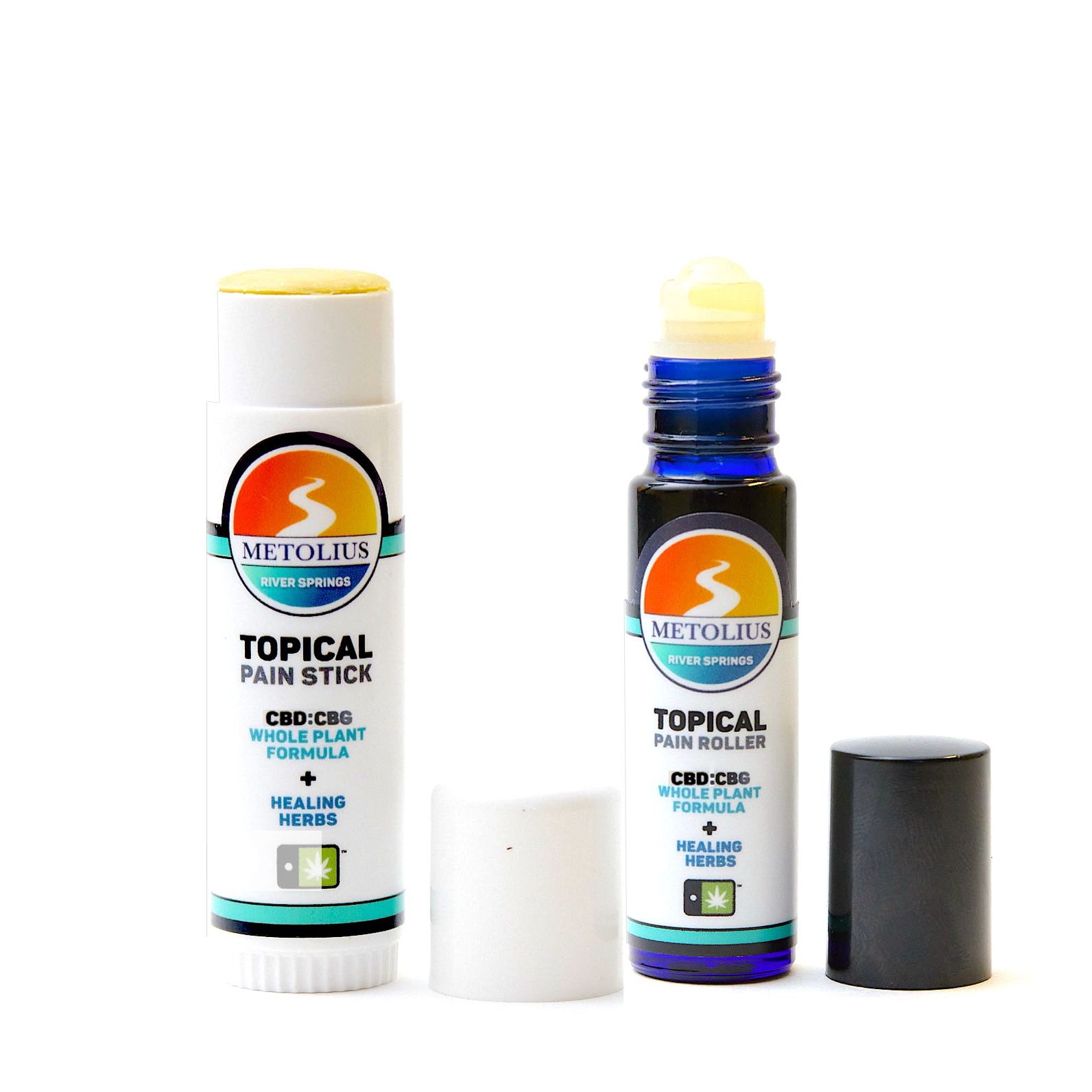
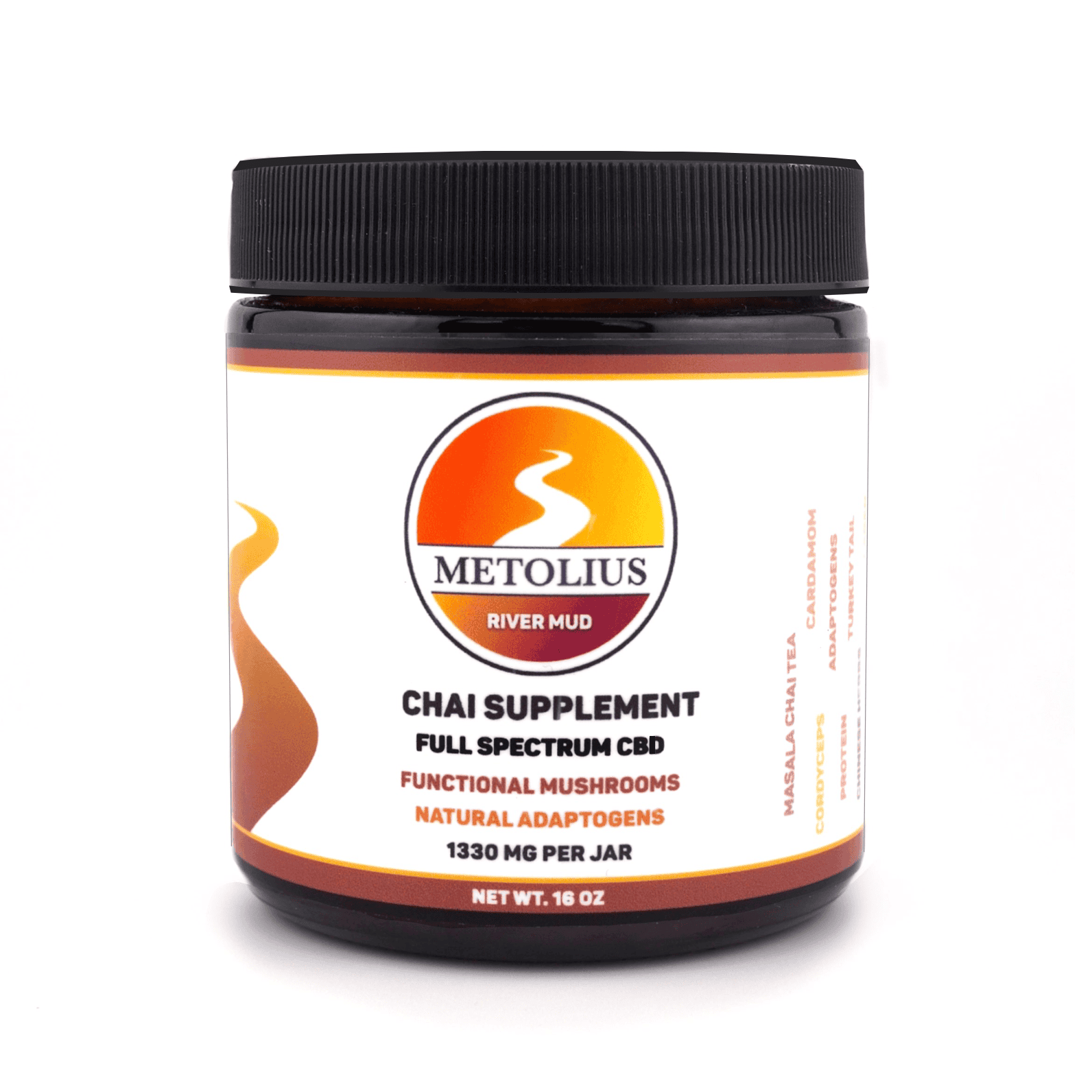
That is one reason premium, targeted formulations can make a real difference. A product that combines CBD with calming botanicals, magnesium, or adaptogenic support may align more naturally with the larger goal of nervous system regulation and vice replacement than a generic one-note product. Metolius Wellness is built around that kind of more intentional support.
What to watch for in a quality CBD product
Stress can make people impulsive shoppers. Resist that. Quality matters.
Look for clear cannabinoid content, clean ingredients, and third-party lab testing. You want to know what is in the formula and how much you are actually taking. Organic hemp, transparent sourcing, and certificates of analysis are not marketing extras. They are part of knowing whether a product deserves a place in your routine.
Also pay attention to the supporting ingredients. If you want daytime calm, a formula with balancing botanicals may make sense. If stress is wrecking your sleep, a blend that leans into evening support may be a better fit. The best product is not the strongest one. It is the one designed for your real use case.
Common mistakes when using CBD for stress
The biggest mistake is expecting an instant personality transplant. CBD is not there to erase a high-pressure job, a full family calendar, or years of stress conditioning. What it can do is support a steadier response so you are not constantly getting dragged by the next trigger.
Another common mistake is using it too inconsistently. If your stress is chronic, random use may not tell you much. You need enough consistency to evaluate whether your sleep, mood, cravings, or recovery from stress are changing over time.
People also overlook the role of sleep, stimulants, and alcohol. If you are taking CBD at night but also drinking heavily, overdoing caffeine all day, and sleeping five hours, results may be limited. CBD can support change, but it does not cancel out every other input.
Is CBD alone enough?
Sometimes yes, especially for mild to moderate everyday stress. Sometimes no.
If stress is tied to severe anxiety, panic, trauma, or depression, CBD may be one part of the support plan rather than the whole answer. There is no shame in that. Plant-based support and professional care are not competing ideas.
It is also worth being realistic about medications and health conditions. If you take prescription drugs or have a medical concern, talk with a qualified healthcare professional before adding CBD. Thoughtful use is always better than guessing.
How to know if your CBD routine is working
Do not just ask whether you feel less stressed one hour after taking it. Ask better questions.
Are you recovering faster after frustrating moments? Sleeping more deeply? Snacking or drinking less out of pure overload? Feeling less tense in your body? More present with your family? Less dependent on the rituals that used to carry your stress for you?
Those are the shifts that matter. They are also the ones that tend to last.
The best CBD routine for stress is not the one that feels flashy on day one. It is the one that helps you build a calmer, cleaner way of living on day ten, day thirty, and day ninety. Start simple, stay observant, and let the routine do its work.