Inflammation has a way of showing up everywhere at once. It can feel like stiff joints in the morning, a sore back after a desk day, post-workout aches that linger too long, or that general sense that your body is working harder than it should. That is why interest in CBD for inflammation relief keeps growing among people who want a plant-based option that supports the body without becoming another habit to manage.
For many adults, the question is not whether inflammation exists. It is whether their current routine is helping or quietly adding to the problem. Poor sleep, stress, ultra-processed food, alcohol, overtraining, and long hours sitting can all nudge the body toward a more inflamed state. A thoughtful CBD routine can fit into a bigger shift away from reactive coping and toward steady, sustainable support.
How CBD for inflammation relief may work
CBD, short for cannabidiol, is a non-intoxicating compound found in hemp. It does not create the high associated with THC, but it does interact with systems in the body that influence balance, stress response, discomfort, sleep, and immune signaling.
When people talk about CBD for inflammation relief, they are usually talking about the way CBD may support the body’s endocannabinoid system. This system helps regulate a wide range of processes, including pain perception, mood, sleep, and inflammatory response. Researchers are still learning exactly how CBD works, but current evidence suggests it may influence receptors and pathways involved in inflammation and discomfort.
That matters because inflammation is not always the enemy. Acute inflammation is part of normal recovery. If you twist an ankle or push through a hard workout, your body uses inflammation to repair tissue and protect itself. The issue is chronic, low-grade inflammation that never seems to switch off. That is where people often start looking for everyday support.
CBD may help by supporting a healthier inflammatory response, easing discomfort tied to irritation or overuse, and helping people sleep and recover better. Those indirect effects matter. If discomfort keeps you from moving, sleeping, or staying consistent with healthy habits, the cycle gets harder to break.
What inflammation can feel like in real life
The word inflammation sounds technical, but the experience is often familiar. Some people feel it as joint stiffness, tension in the neck and shoulders, or soreness after activity that seems out of proportion. Others notice bloating, sluggish recovery, headaches, or a body that feels constantly irritated.
It also depends on the source. Inflammation from intense training may call for a different approach than inflammation tied to stress, poor sleep, or long-term discomfort. That is one reason a generic wellness routine often falls short. The best support is usually targeted, consistent, and realistic enough to keep using.
Choosing the right format for inflammation support
Not all CBD products do the same job in the same way. Format matters because it affects how quickly CBD may take effect, how long it may last, and how it fits into your day.
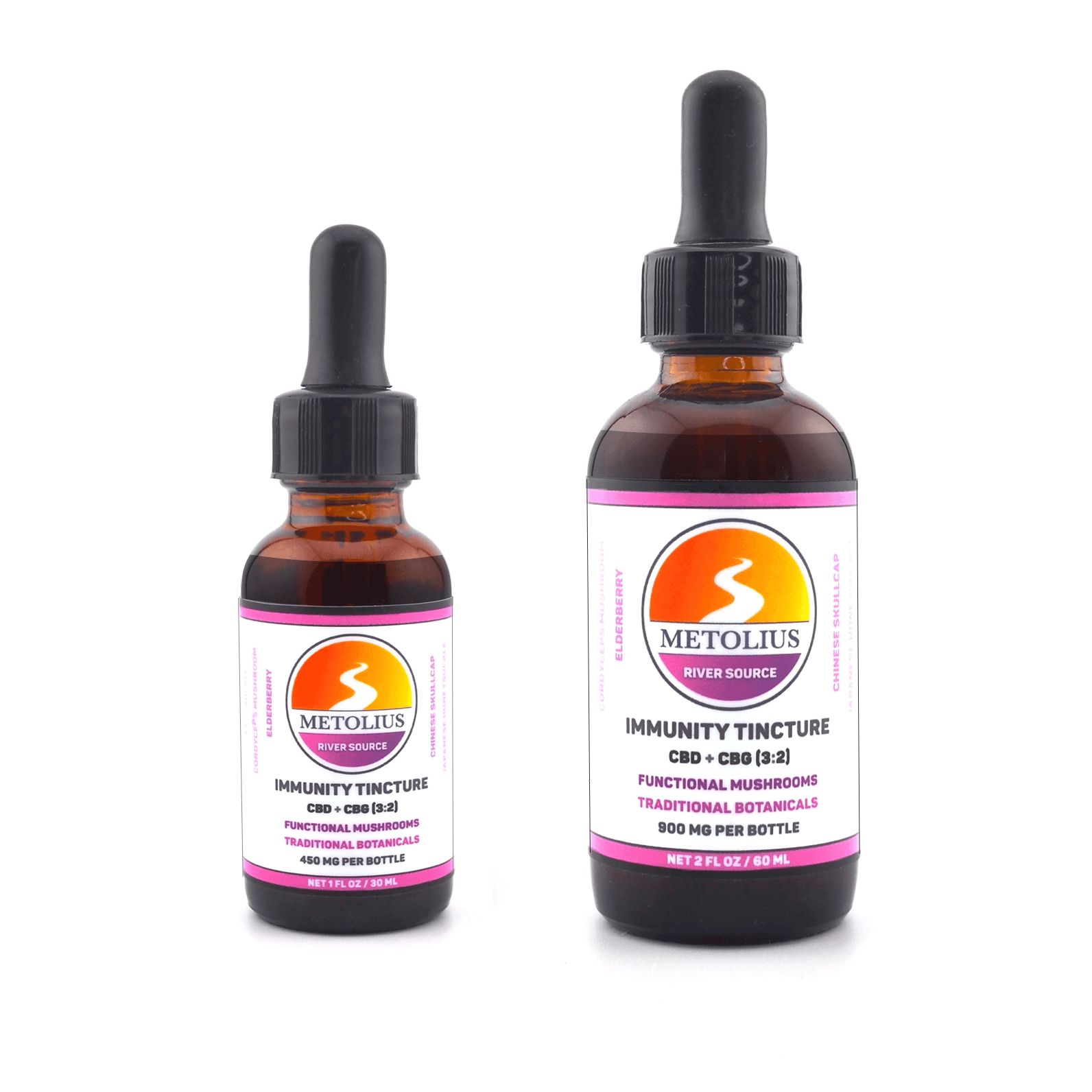
Tinctures are often a strong starting point for people who want flexible dosing. They can be used daily and adjusted gradually, which is helpful if you are trying to find the lowest amount that still feels effective. Capsules are simpler and more routine-friendly, especially for people who already take supplements in the morning or evening.
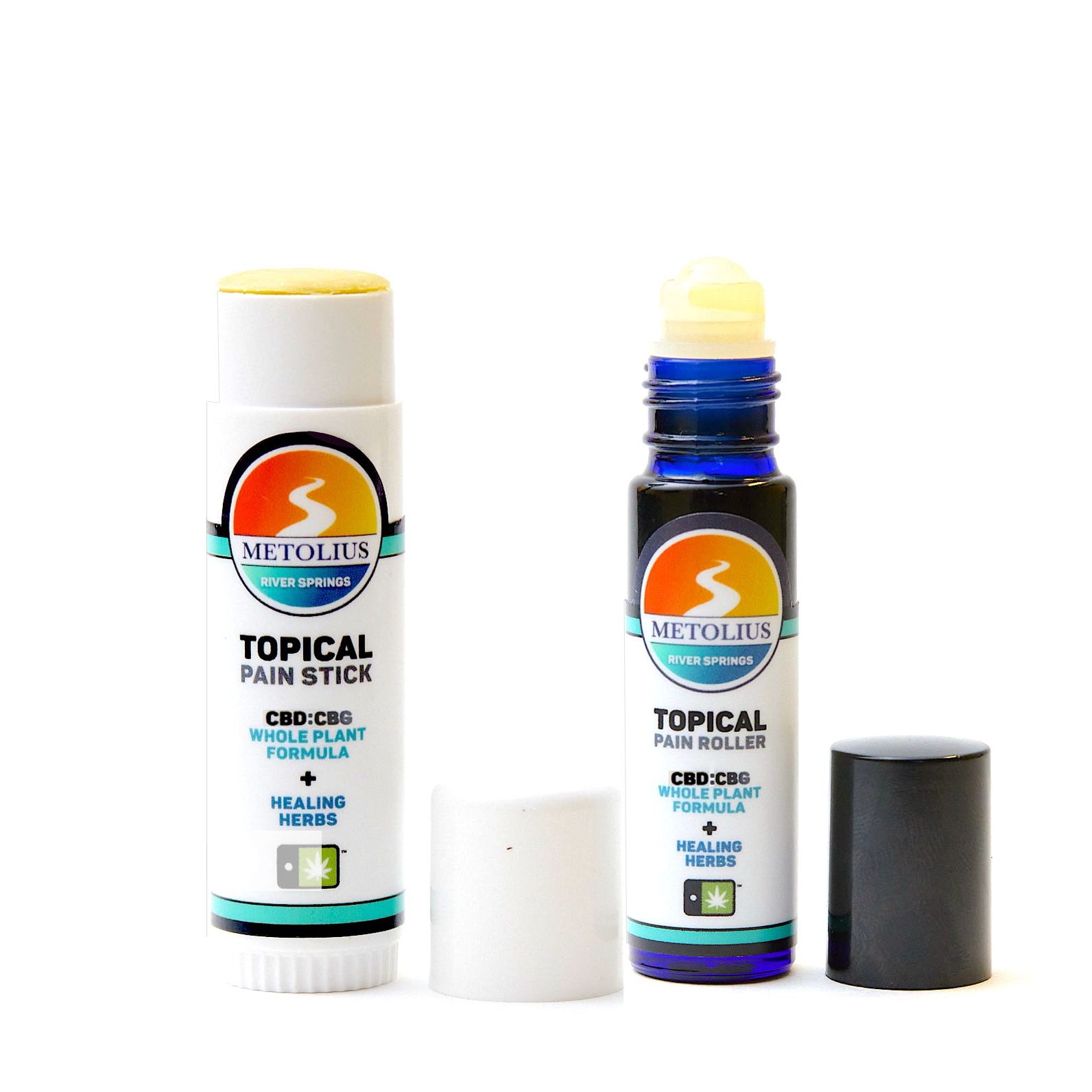
Topicals make sense when inflammation feels localized, like sore knees, tight shoulders, or overworked hands. Instead of taking a whole-body approach, a cream, balm, or roll-on can be applied directly where support is needed. Many people use both a systemic format and a topical, especially if discomfort has both broad and targeted elements.
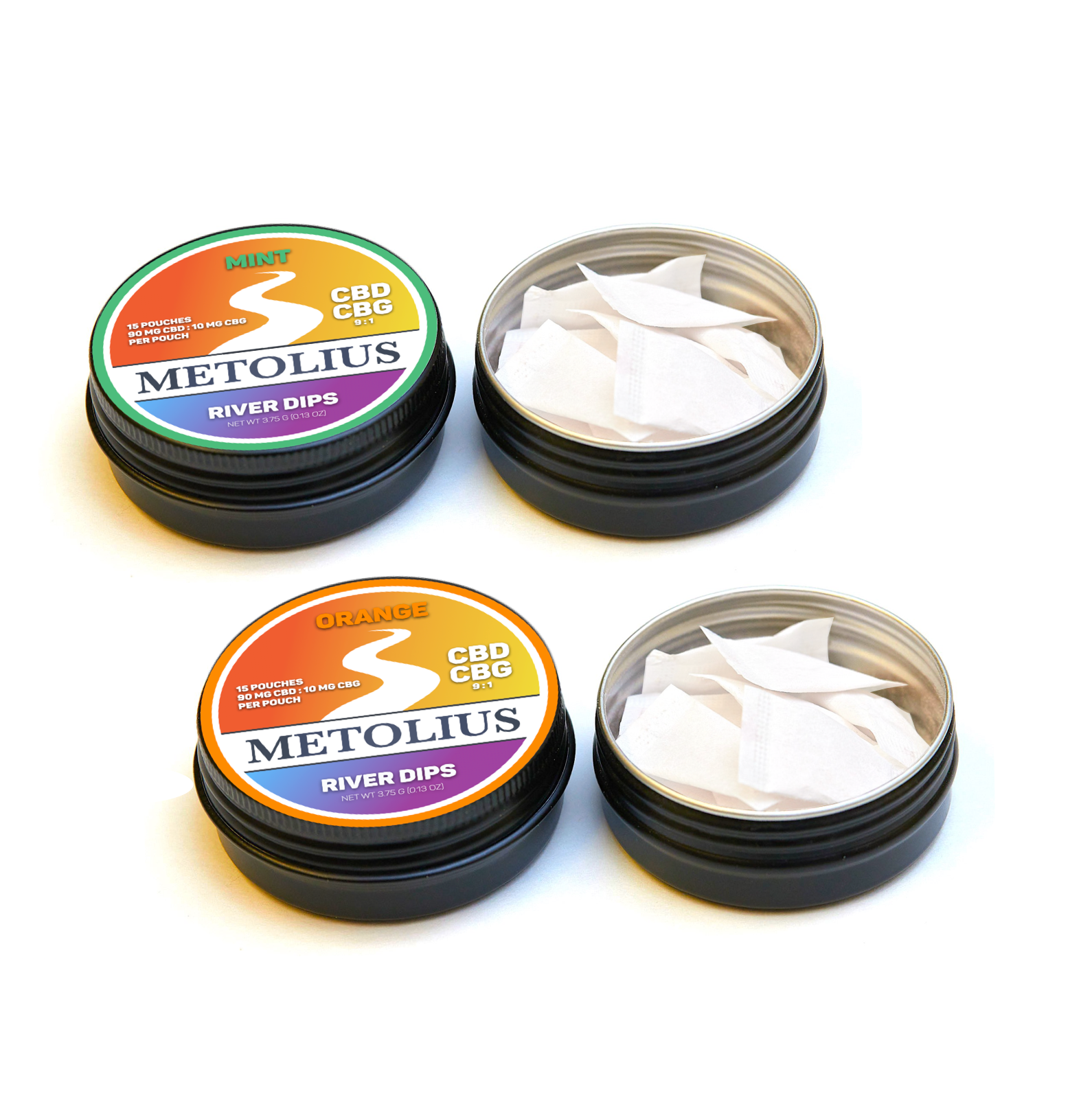
Gummies and beverages can work well for people who want convenience and a more enjoyable ritual. The trade-off is that they may be less precise than tinctures and can take longer to kick in than inhaled formats. Smokables or fast-acting formats may appeal to some users looking for quicker onset, but they are not ideal for everyone, especially if the goal is to move away from inhaled habits.
Why formulas matter more than CBD alone
A better question than “Does CBD work?” is “What is it paired with?” Inflammation rarely shows up alone. It often travels with stress, poor sleep, muscle tension, or nervous system overload. That is why more advanced cannabinoid routines combine CBD with other functional ingredients that support the broader picture.
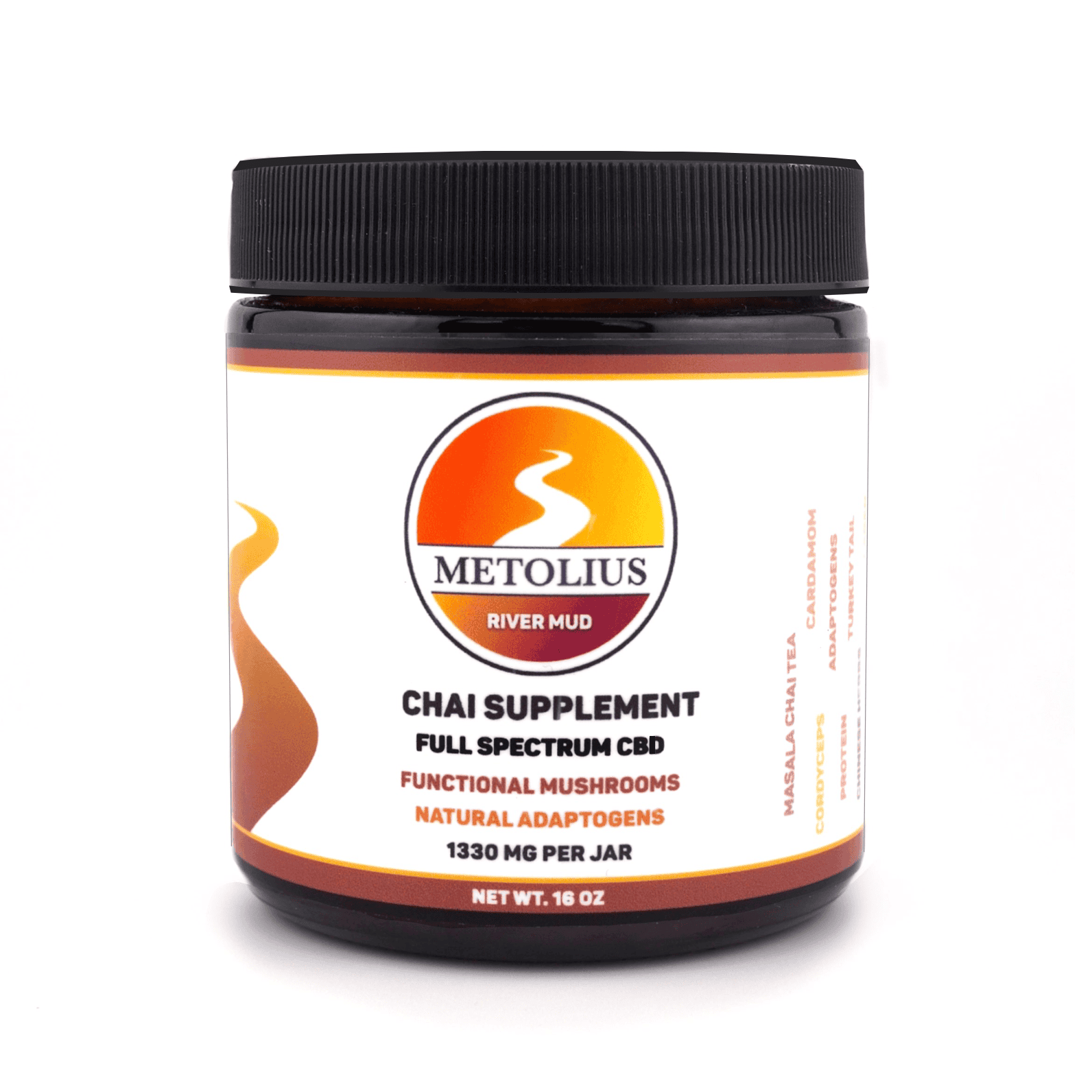
CBG may be included for added body support and balance. Botanicals like turmeric, ginger, or boswellia are often used for their long-standing role in inflammation support. Magnesium can be useful when soreness and tension are made worse by stress or poor recovery. Adaptogens and functional mushrooms may also help when inflammatory symptoms are tied to burnout or an overworked nervous system.
This condition-specific approach is where premium wellness brands stand apart. Instead of treating CBD like a one-note ingredient, they build formulas around what the body is actually asking for. Metolius Wellness follows that philosophy by creating targeted hemp-based products designed to support real routines and help people step away from the habits that often keep inflammation going.
What to expect when starting CBD for inflammation relief
CBD is not usually an instant fix for chronic inflammation. Some people notice a shift quickly, especially with topicals or if discomfort is interfering with sleep. For others, the benefits build over time as daily use supports better recovery, less reactivity, and a calmer baseline.
Consistency matters more than chasing a dramatic first dose. If you are trying CBD for inflammation relief, it often makes sense to start low, use it regularly, and pay attention to patterns for at least one to two weeks. Are you waking up less stiff? Recovering faster after activity? Sleeping more deeply? Reaching for fewer reactive coping tools at the end of the day?
Those changes can be subtle at first, but they are often the signs that a routine is working. The goal is not to numb your body. It is to support it enough that healthy behaviors become easier to maintain.
How to use CBD as part of an anti-inflammatory routine
CBD tends to work best when it is not carrying the whole load alone. If inflammation is tied to the way you live, your routine needs to reflect that.
For many people, the most effective rhythm is to pair CBD with better sleep support, more consistent hydration, regular movement, and fewer inflammatory inputs. That might mean swapping late-night drinks for a calming cannabinoid beverage, using a tincture after workouts instead of pushing through soreness, or applying a topical before bed so the body can settle instead of staying tense all night.
This is where the replacement mindset becomes powerful. If your current tools are alcohol for stress, nicotine for stimulation, or a constant cycle of caffeine and poor sleep, inflammation is often part of the fallout. Replacing those patterns with non-habit-forming support can change more than discomfort. It can change the direction of your health.
What to look for in a quality CBD product
Quality matters, especially if you plan to use CBD consistently. Hemp absorbs what is in its environment, so sourcing and testing should never be an afterthought. Look for products made from organically grown hemp, with third-party lab testing that confirms cannabinoid content and screens for contaminants.
It also helps to know whether a product is full-spectrum, broad-spectrum, or isolate. Full-spectrum formulas contain multiple hemp compounds, including trace THC within legal limits, which may create a stronger entourage effect for some people. Broad-spectrum products remove THC while keeping other beneficial cannabinoids and terpenes. Isolate contains only CBD. There is no single best choice for everyone. If you are sensitive to THC or want to avoid it entirely, broad-spectrum may make more sense. If you want a more complete hemp profile, full-spectrum may be worth considering.
Beyond the label, look at the intention behind the formula. Is it built for general use, or does it include ingredients chosen for soreness, recovery, tension, or stress-related inflammation? The more closely the product matches your actual needs, the better your experience is likely to be.
When CBD may help most, and when it may not
CBD can be a useful part of inflammation support, but it is not a cure-all. It may be most helpful for people managing everyday aches, exercise-related soreness, tension, mild joint discomfort, or stress-driven physical reactivity. It can also be valuable when inflammation is part of a bigger recovery plan that includes rest, movement, nutrition, and habit change.
There are also times when CBD is not enough on its own. If inflammation is severe, sudden, unexplained, or tied to an underlying medical condition, it is worth talking with a healthcare professional. The same goes if you take medications, since CBD can interact with certain drugs.
The strongest wellness routines are honest about both possibility and limits. CBD can support the body well, but it works best when used thoughtfully, not magically.
If your body has been sending the same signals for months - more tension, more soreness, slower recovery, less resilience - it may be time to change the pattern instead of just managing the symptoms. CBD can be a smart starting point, not because it does everything, but because it can help you build a routine your body actually wants to stay in.