That tight, swollen feeling after a meal can throw off your whole day. If you're looking for how to relieve gut bloating, the real goal is not just to get your stomach flatter for a few hours - it's to understand what your body is reacting to and build habits that calm your system instead of constantly fighting it.
Bloating is common, but it is not always random. For some people it shows up after eating too fast at a desk, for others it follows stress, poor sleep, constipation, carbonated drinks, hormonal shifts, or foods their gut does not handle well. Relief usually starts with identifying which kind of bloating you're dealing with.
What gut bloating is actually telling you
Bloating usually comes from one of a few core issues: extra gas production, slowed digestion, water retention, constipation, or a nervous system that is stuck in stress mode. Those causes can overlap, which is why one person's relief strategy works beautifully while another person's barely touches the problem.
If your stomach gets distended right after eating, that can point to swallowing air, eating too quickly, or having trouble breaking down certain foods. If the bloating builds later in the day, constipation or fermentation in the gut may be more likely. If it changes with your cycle, hormones may be playing a bigger role than the food itself.
That distinction matters. You do not want to treat every bloated day like a food intolerance when the bigger issue is stress, irregular meals, or sluggish digestion.
How to relieve gut bloating in the moment
When bloating hits, the instinct is often to clamp down - skip meals, suck in your stomach, or grab something sugary or fizzy that only makes things worse. A better approach is to reduce pressure on the digestive system and help your body move things through.
Start with a slow walk. Even 10 to 15 minutes after a meal can help stimulate digestion and reduce that heavy, trapped feeling. Gentle movement works better than intense exercise here. A hard workout can sometimes worsen symptoms if your gut is already irritated.
Next, sip water steadily instead of chugging a huge amount at once. Hydration helps if bloating is linked to sodium, constipation, or sluggish digestion, but flooding your stomach can make you feel more full in the short term. Warm water or herbal tea often feels better than ice-cold drinks.
You can also pause the inputs that commonly add more pressure. Carbonated drinks, sugar alcohols, gum, and oversized meals tend to compound bloating fast. If your stomach feels stretched, think simple and light for the next meal - something easy to digest, not another heavy hit your body has to battle through.
Deep breathing can help more than people expect. Digestion works best in a parasympathetic state, when your body feels safe enough to rest and process food. If you are eating while stressed, rushing, or multitasking, your gut often pays for it later.
The food patterns that commonly make bloating worse
A lot of bloating advice gets too black-and-white. The truth is that healthy foods can still trigger symptoms in the wrong amount, form, or context.
Raw vegetables, beans, cruciferous vegetables, onions, garlic, dairy, very fatty meals, protein bars, and artificial sweeteners are common culprits. That does not mean they are bad foods. It means your body may digest them better in smaller portions, cooked instead of raw, or paired differently.
Fiber is another example. More fiber is not always better if your gut is already backed up or inflamed. Increasing fiber too quickly can create more gas and discomfort. If you suspect constipation is part of the problem, gradually increasing fiber while also increasing water and movement is usually a better move than making a sudden jump.
Meal size matters too. Even nutritious food can overwhelm digestion when portions are too large. Many people do better with regular, moderate meals instead of a cycle of under-eating all day and then eating a huge dinner at night.
How to relieve gut bloating by eating in a way your gut can handle
One of the fastest ways to change bloating is to change the pace and structure of your meals. Slow down enough to chew thoroughly. Eat sitting down. Put your phone away for a few minutes. It sounds simple, but better mechanical digestion often means less work for your gut later.
Try building meals around foods that are satisfying without being overly heavy. Cooked vegetables may feel better than giant raw salads. Rice, oats, eggs, yogurt if tolerated, bananas, soups, and simply prepared proteins tend to be easier on many people than greasy takeout, heavily processed snacks, or massive restaurant portions.
If you notice repeat triggers, keep a short symptom journal for a week or two. Not a punishment log - just a clean record of meals, stress level, sleep, bowel habits, and bloating severity. Patterns usually show up faster than you think. Sometimes the issue is a specific food. Sometimes it is that every symptom spike follows rushed lunches and poor sleep.
Stress may be a bigger trigger than your lunch
This is the part many people miss. A gut under chronic stress behaves differently. Motility can slow down or speed up. You may produce more digestive discomfort with the exact same meal you handled well on a relaxed weekend.
If your bloating tends to flare during busy workdays, travel, family stress, or periods of bad sleep, your nervous system deserves attention alongside your diet. That can look like a short post-meal walk, five minutes of breathing before eating, cutting back on excess caffeine, or building a more consistent evening routine so your body is not constantly trying to recover from survival mode.
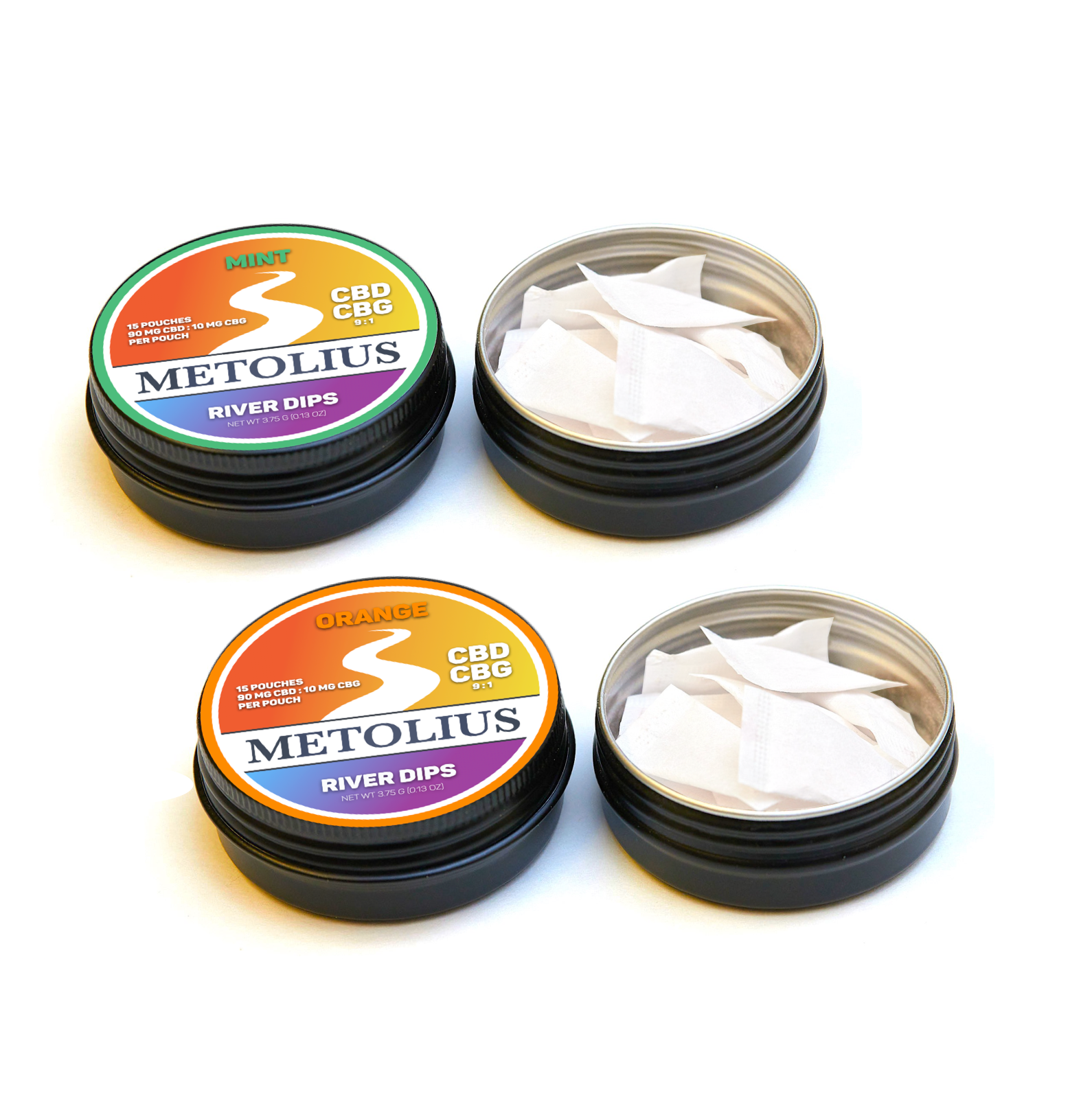
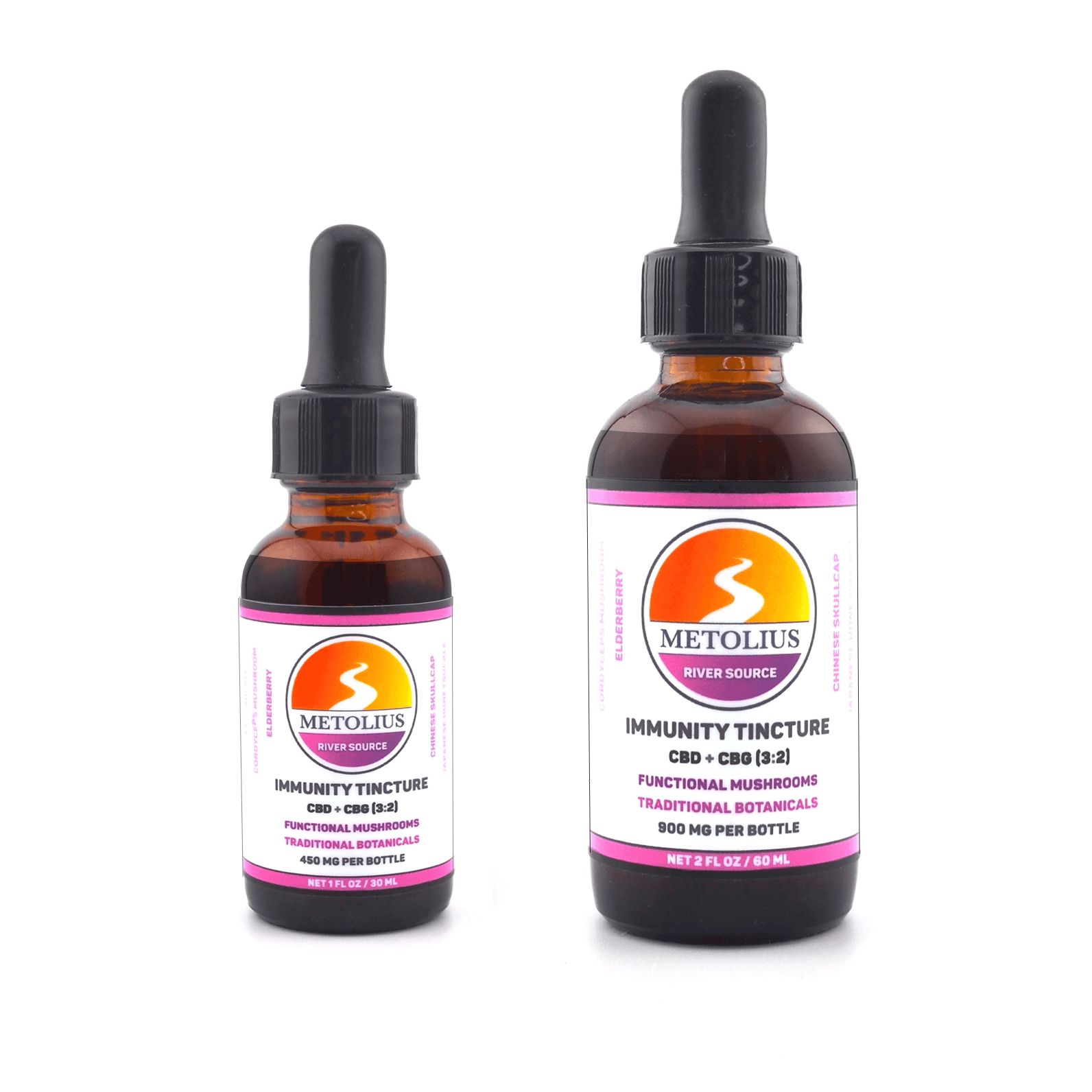
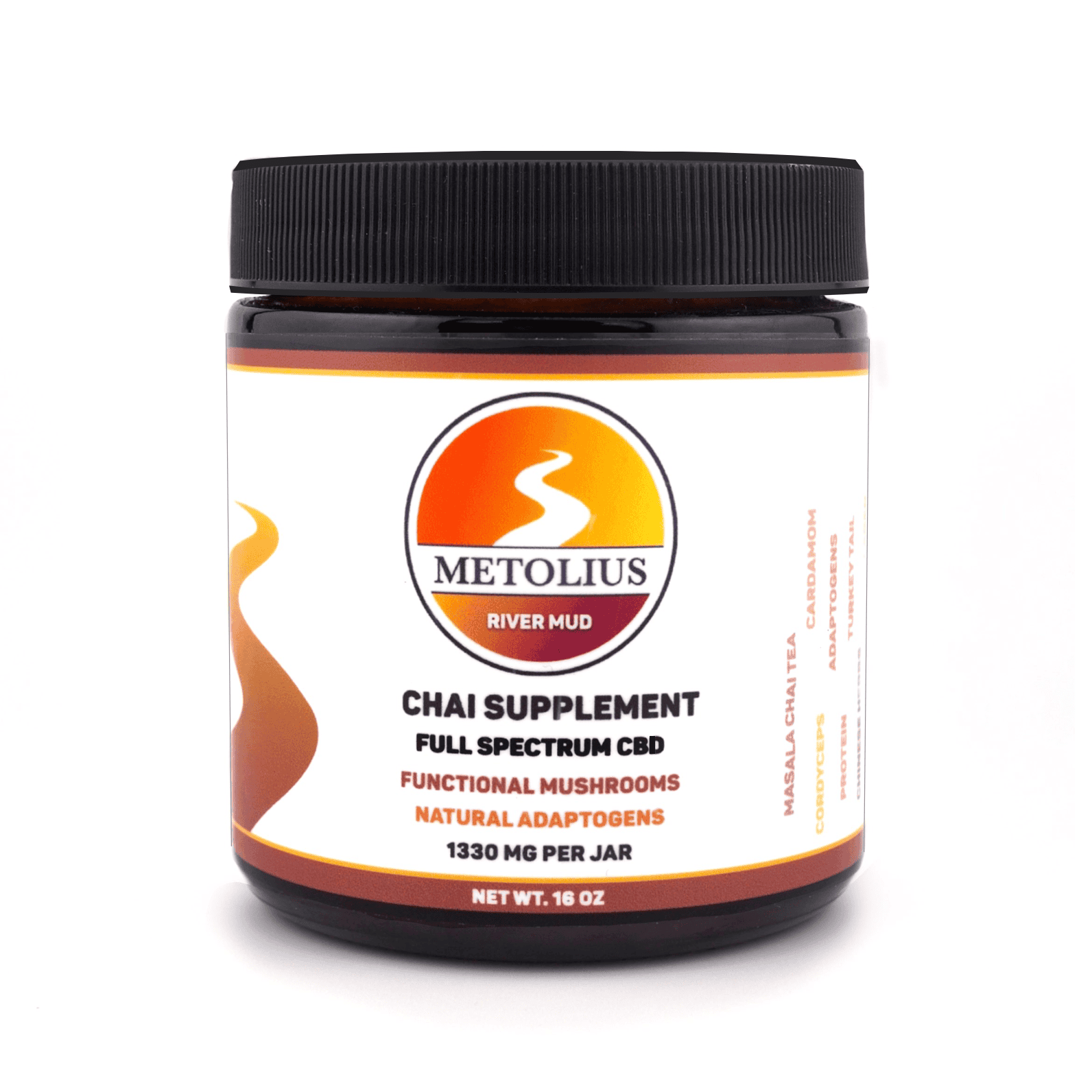
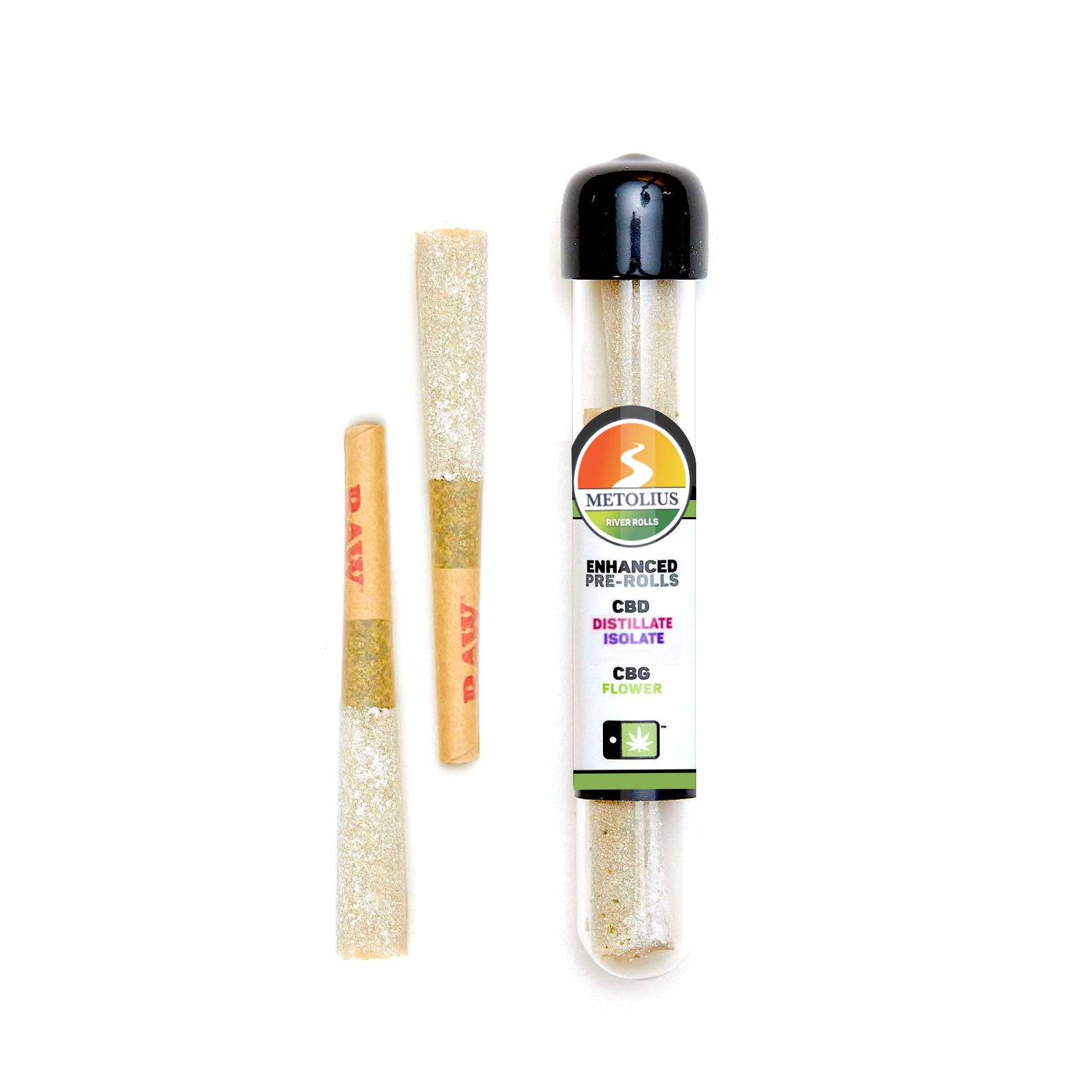
For people moving away from coping habits like alcohol, nicotine, or heavy stimulant use, digestion can also shift during that transition. Your gut may be reacting not just to food, but to the broader recalibration happening in your system. This is where a more intentional wellness routine can make a real difference. Brands like Metolius Wellness speak to that bigger picture - replacing aggravating habits with plant-based support that aligns with long-term balance rather than short-term escape.
When supplements and functional ingredients may help
Not every bloated stomach needs a supplement, but targeted support can be useful when paired with better habits. Magnesium may help if constipation is contributing. Ginger and peppermint are widely used to soothe digestive discomfort. Some people benefit from digestive enzymes, especially around heavier meals, while others do better focusing on gut-calming ingredients instead of adding more variables.
Cannabinoid support is also part of the conversation for some adults, especially when stress is clearly tied to digestive tension. CBD and related plant compounds are not a magic fix for bloating itself, but they may support the stress side of the gut-brain connection in a broader wellness routine. The trade-off is that the right formula, timing, and dose can vary a lot person to person, so it makes sense to look for clean-label, transparent products rather than treating all hemp products as interchangeable.
If you try any supplement approach, keep it simple. Add one thing at a time and give it enough time to evaluate. Stacking multiple new products at once makes it hard to tell what is actually helping.
Signs your bloating may need more than at-home fixes
Most bloating is functional and manageable, but not all of it should be brushed off. If symptoms are severe, persistent, or getting worse, it is worth talking with a healthcare professional. The same goes for bloating paired with unexplained weight loss, blood in the stool, significant pain, vomiting, chronic diarrhea, or major constipation.
There can be underlying issues like IBS, food intolerances, reflux, SIBO, celiac disease, or hormonal factors that need a more individualized plan. Getting clarity is not overreacting. It is a smarter path than endlessly cutting foods and hoping for the best.
The most sustainable relief is usually the least extreme
If you want to know how to relieve gut bloating in a lasting way, think less about emergency fixes and more about rhythm. Eat more slowly. Notice your triggers without turning food into a fight. Move after meals. Hydrate consistently. Support regular bowel movements. Respect how strongly stress can shape digestion.
Your gut usually responds better to steady signals than dramatic swings. A calmer routine, cleaner inputs, and a little more body awareness can do more than another restrictive reset ever will.
The goal is not to have a perfectly flat stomach every hour of the day. The goal is to feel comfortable, light, and back in control of your body again - and that starts with listening to what your gut has been trying to tell you.