Some nights, stress does not feel dramatic. It feels like a clenched jaw at 9 p.m., a second glass of wine you did not really want, or a mind that keeps pacing long after your body is done for the day. That is where the best herbal tea for anxiety and stress relief can earn its place - not as a cure-all, but as a simple ritual that helps your nervous system get the message that it is safe to slow down.
The right tea can do more than warm your hands. Certain herbs have a long history of use for tension, restlessness, and trouble settling into sleep. Others are better for that wired-but-tired feeling that often comes with caffeine overload, mental burnout, or the early stages of trying to replace less supportive coping habits. If you are building a more intentional evening routine, tea is one of the easiest plant-based tools to start with.
What makes the best herbal tea for anxiety and stress relief?
Not every herbal tea labeled calming will feel the same. Some herbs are gently soothing and best for daily use. Others are more sedating and better saved for evenings. The best choice depends on whether your stress shows up as racing thoughts, muscle tension, digestive discomfort, irritability, or sleep disruption.
A good calming tea usually does one of three things. It may help quiet the mind, relax the body, or support digestion, which matters more than many people realize. Stress often lands in the gut first. That is why a tea that eases bloating or tightness can sometimes feel surprisingly grounding.
Quality also matters. Loose-leaf teas and well-formulated sachets tend to deliver a more consistent experience than dusty, stale blends. Look for recognizable ingredients, ideally organic, with a clear purpose behind the formula instead of a long list of filler herbs that sound relaxing but do very little.
The herbs that actually deserve your attention
Chamomile for everyday nervous system support
Chamomile is the classic for a reason. It is gentle, accessible, and well suited to people who feel frayed at the edges rather than deeply overstimulated. A cup of chamomile in the evening can soften mental chatter and help the body transition out of work mode.
Its strength is consistency, not intensity. If your anxiety feels mild to moderate and tends to spike later in the day, chamomile is often a smart place to start. If you are highly activated, though, it may not feel strong enough on its own.
Lemon balm for tension, irritability, and restlessness
Lemon balm has a brighter flavor and a slightly more functional feel than chamomile. It is especially helpful when stress shows up as irritability, mental fatigue, or that agitated feeling where you cannot quite focus or relax. It can take the edge off without making you feel heavy.
This makes it useful during the late afternoon, especially for people trying to cut back on caffeine. If your usual pattern is coffee to keep going and alcohol to come down, lemon balm tea can become part of a healthier middle path.
Passionflower for racing thoughts
Passionflower is a stronger option for people whose anxiety lives in the mind. If your body is tired but your brain is still writing emails at midnight, this herb is worth knowing. It is often used in nighttime blends because it supports a calmer mental state without feeling harsh.
The trade-off is flavor. On its own, passionflower can taste earthy and slightly bitter. It is often better in a blend with chamomile, lemon balm, or mint.
Lavender for emotional calm
Lavender tea is less common than lavender essential oil, but it can be effective when stress feels emotional and diffuse rather than sharply physical. Think overwhelm, moodiness, or that unsettled sensation that makes it hard to land anywhere mentally.
Lavender is usually best as part of a blend because the floral taste can be strong. Used well, it adds a noticeable sense of calm. Used too heavily, it can make the tea taste like soap. Formulation matters here.
Holy basil for stress resilience
Holy basil, also called tulsi, sits a little differently than more sedating herbs. It is often chosen for stress support during the day because it helps the body adapt without necessarily making you sleepy. If your nervous system feels taxed from constant output, holy basil can be a good fit.
This is not always the tea you reach for when you are on the edge of a panic spiral. It is better for the long game - the kind of daily stress load that keeps your shoulders tight and your patience short.
Peppermint and ginger when stress hits the gut
If anxiety makes your stomach feel off, calming tea does not always need to be sleepy tea. Peppermint and ginger can be surprisingly effective when stress shows up as nausea, bloating, cramping, or digestive tension. They may not quiet your mind directly, but they can reduce physical discomfort that keeps the stress cycle going.
For many people, that matters. Relief does not always come from sedation. Sometimes it starts with getting your body out of distress.
Best herbal tea for anxiety and stress relief by situation
If you want one answer, chamomile is the easiest all-around choice. But the better answer is that the best herbal tea for anxiety and stress relief depends on when and how your stress shows up.
For evening wind-down, chamomile, passionflower, and lavender blends are usually strongest. For daytime stress, lemon balm and holy basil tend to be more useful because they calm without pulling your energy too low. For stress-related digestive issues, peppermint and ginger deserve more credit than they usually get.
If sleep is part of the problem, look for formulas that combine calming herbs with magnesium-rich foods or a broader nighttime routine. Tea alone may help, but layered support often works better than relying on one ritual to do everything.
What to look for in a calming tea blend
Single herbs can work well, but thoughtfully built blends usually perform better because stress is rarely one-dimensional. A formula that combines mental calm, body relaxation, and digestive support can feel more complete.
Look for blends with two to four purposeful ingredients instead of kitchen-sink formulas. Chamomile with lemon balm and passionflower makes sense. Lavender with mint and licorice can work if the ratios are balanced. But a label with twelve trendy botanicals can sometimes mean each one is present in amounts too small to matter.
It is also worth watching for hidden stimulants. Some teas sold as stress support include green tea or yerba mate for a wellness angle, which may be the opposite of what an anxious person needs. If your goal is to settle your nervous system, skip anything caffeinated.
How to make tea actually work better
Tea helps most when it becomes a cue, not just a beverage. The act of boiling water, steeping herbs, and stepping away from stimulation tells your body that the pace is changing. That behavioral side matters, especially if you are trying to move away from habits that keep you in cycles of overactivation and crash.
Drink it slowly. Put your phone down for ten minutes if you can. Let the ritual replace something less supportive instead of adding one more wellness task to your list. This is where plant-based routines become sustainable - not by being perfect, but by being repeatable.
Steeping time also matters. Many people under-steep herbal tea and end up with flavored hot water. Most calming herbs need at least 5 to 10 minutes to extract well. Covering the cup while it steeps helps preserve the aromatic compounds, especially in herbs like lemon balm and lavender.
When tea is not enough on its own
Herbal tea can be a strong support, but there are limits. If your anxiety is frequent, intense, or disrupting daily life, tea should be part of a broader plan, not the whole plan. Sleep habits, alcohol intake, caffeine use, blood sugar swings, and chronic stress exposure all shape how your nervous system responds.
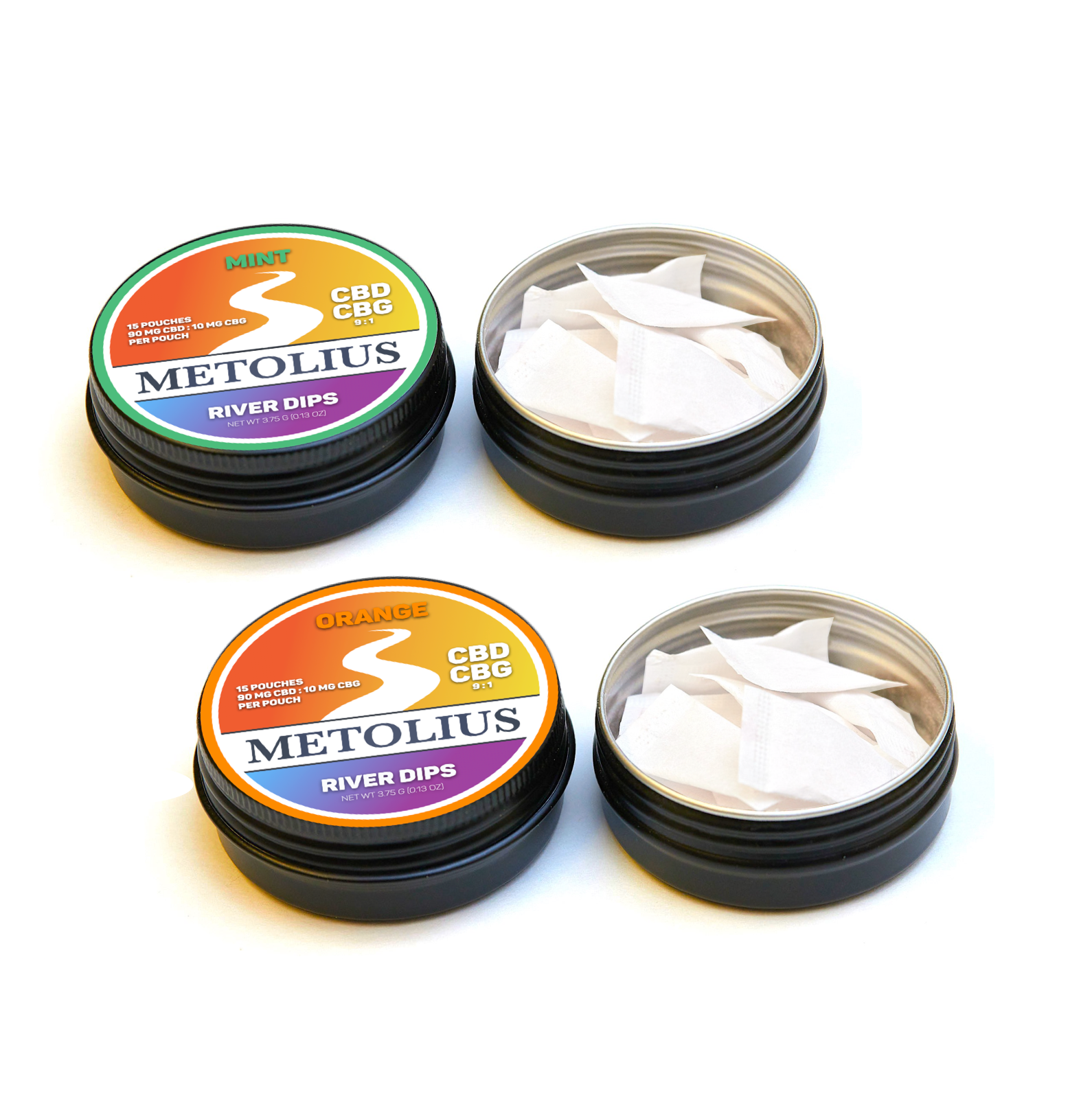
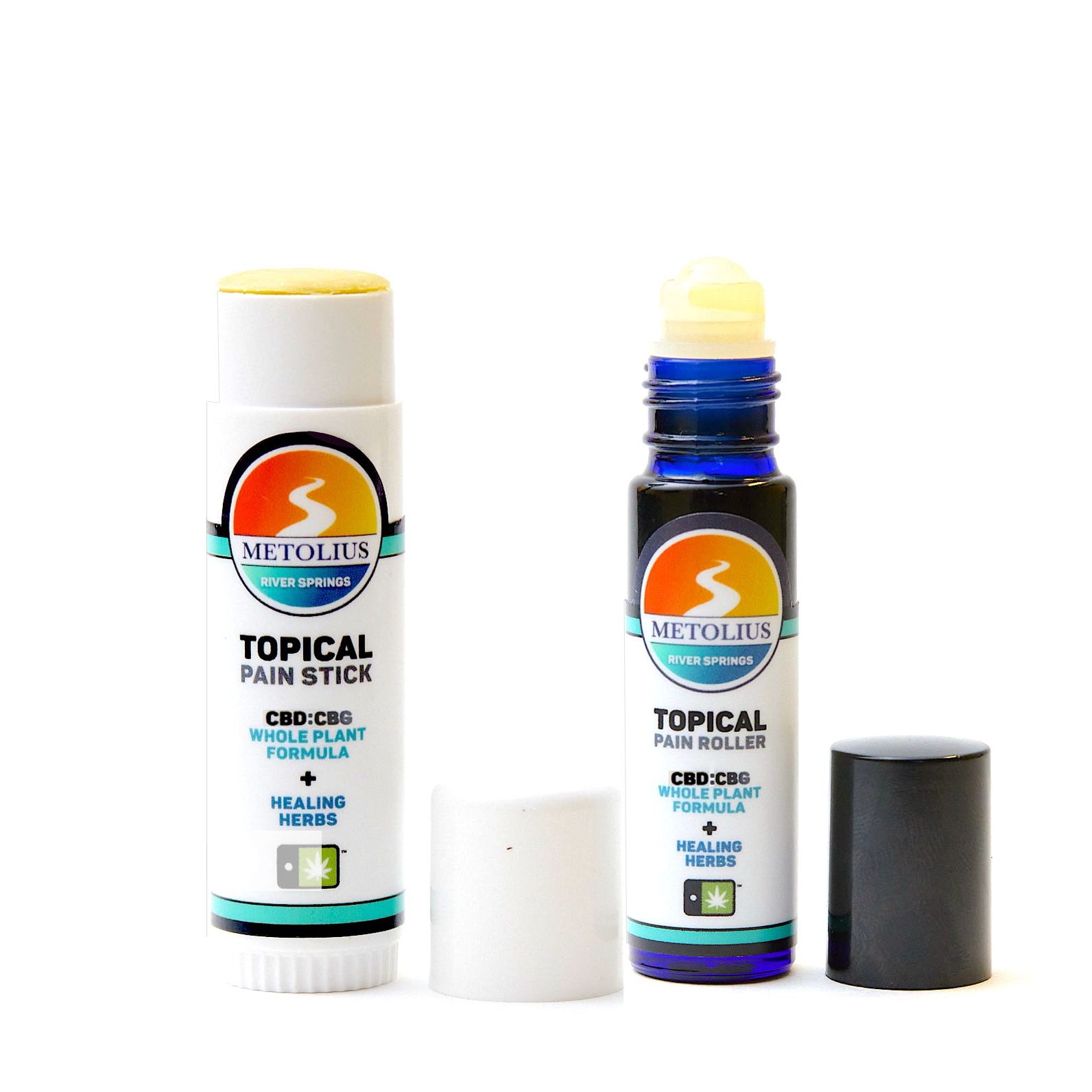
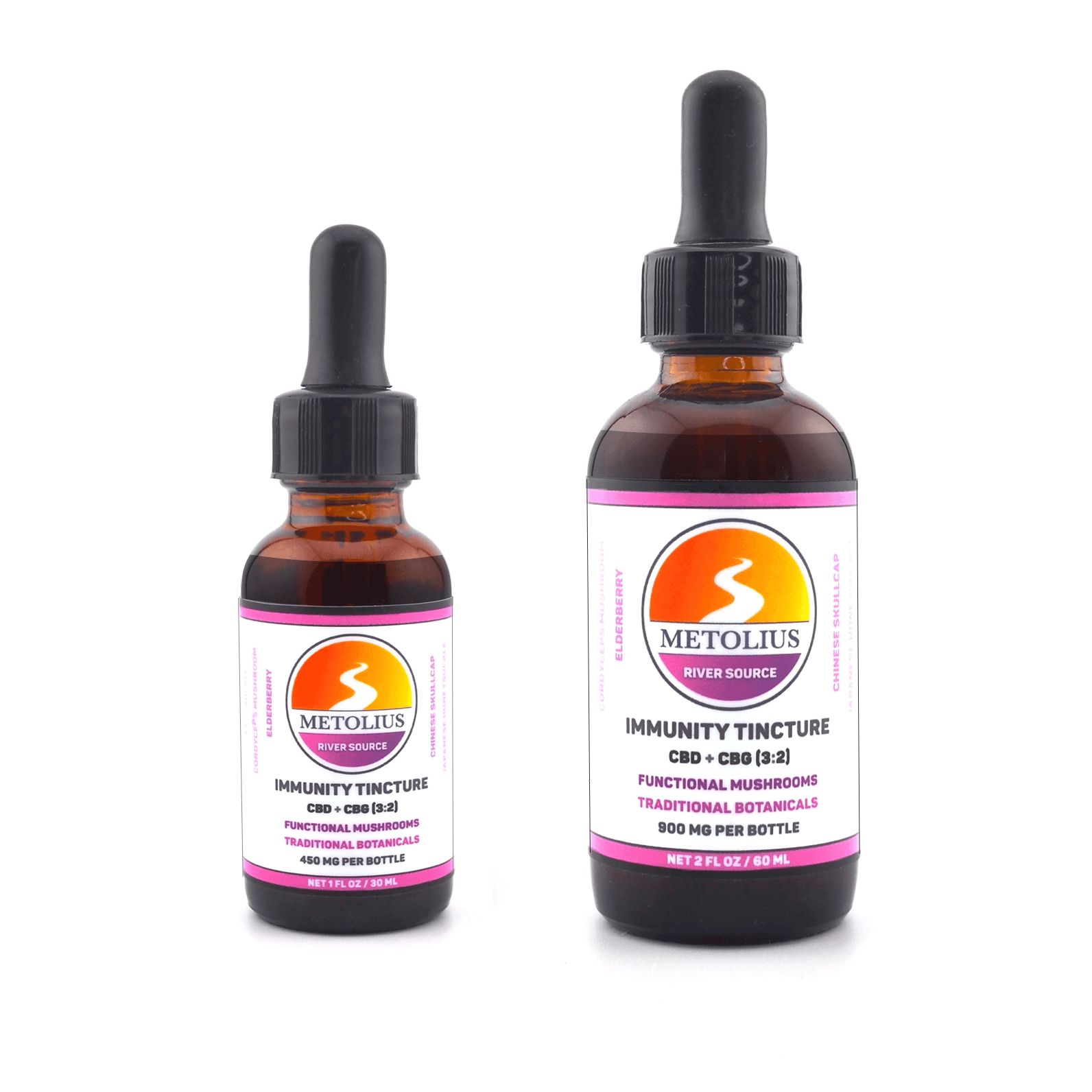
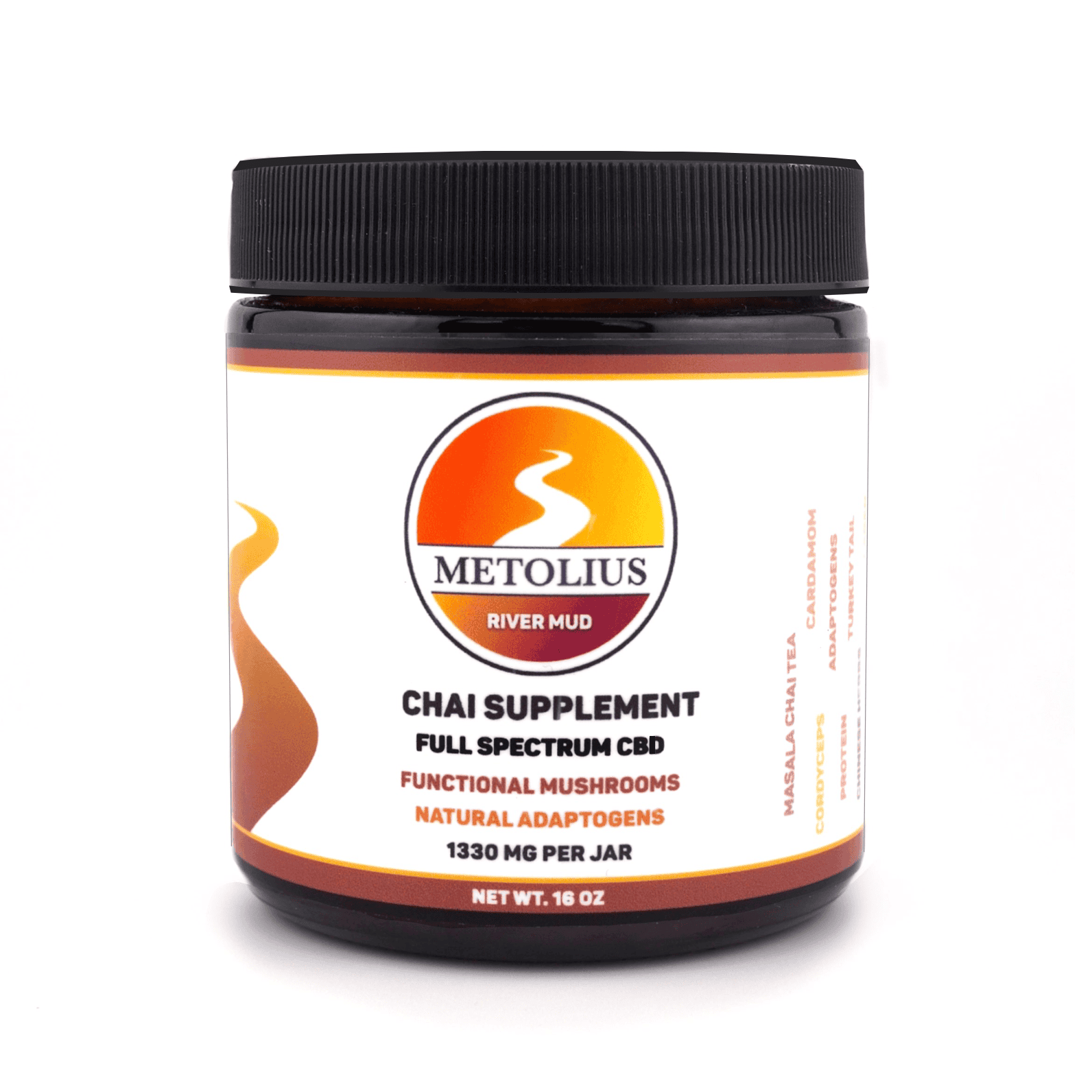
That is why many people do best with stacked support. A calming tea in the evening, a lower-caffeine daytime routine, better sleep hygiene, and plant-based tools designed for targeted stress relief often work better together than any single intervention. For people actively trying to exit patterns around alcohol, nicotine, or overstimulation, rituals matter just as much as ingredients. That is part of what makes a wellness brand like Metolius relevant - the real shift is not just what you take, but what you are replacing.
Also pay attention to your own response. Some herbs feel amazing to one person and flat to another. Your nervous system is personal. Start simple, notice how you feel, and build from there.
The best calming tea is the one you will actually reach for when the day starts pressing in. Choose a blend that fits your kind of stress, make it part of a real routine, and let that small act of relief become proof that better habits can begin quietly.